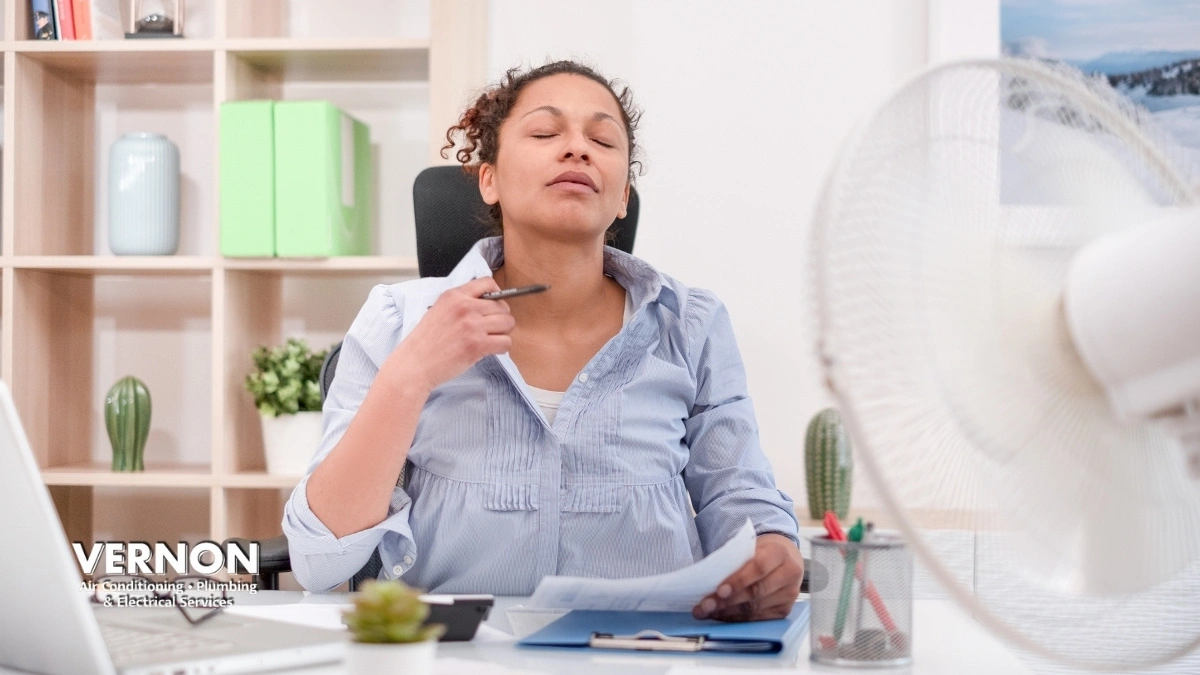

When you’re expecting cool air and your AC is blowing hot air instead, it can turn a comfortable summer day into a sticky mess. This issue can stem from several causes, some simple enough to fix yourself, others requiring a trained HVAC technician. In this guide, we’ll cover why your air conditioner might be blowing warm air, how to troubleshoot it, and what you can do to prevent it in the future.
Why is my AC Blowing Hot Air?
An AC blowing hot air is usually caused by issues like incorrect thermostat settings, a dirty air filter, frozen evaporator coils, low refrigerant, or problems with the compressor, condenser fan, or power supply. Start by checking the thermostat, filter, and breaker before calling an HVAC technician.
Safety Note: Do not attempt to service refrigerant lines or electrical components on HVAC systems. These hazardous systems must only be handled by licensed professionals.
How Does an Air Conditioner Work?
Your AC system doesn’t create cold air, it removes heat from inside your home. Here’s the short version:
- A fan pulls warm indoor air through an air filter and over evaporator coils filled with refrigerant.
- The refrigerant absorbs heat, leaving behind cool air that’s blown back into your rooms.
- The warmed refrigerant gas is sent to the compressor, where it’s pressurized and then directed to the condenser located outside.
- The condenser releases the heat outdoors, and the refrigerant returns to a liquid state to repeat the cycle.
If the AC is blowing warm air, somewhere in this process, the system isn’t removing heat effectively.
1. Check Your Thermostat First
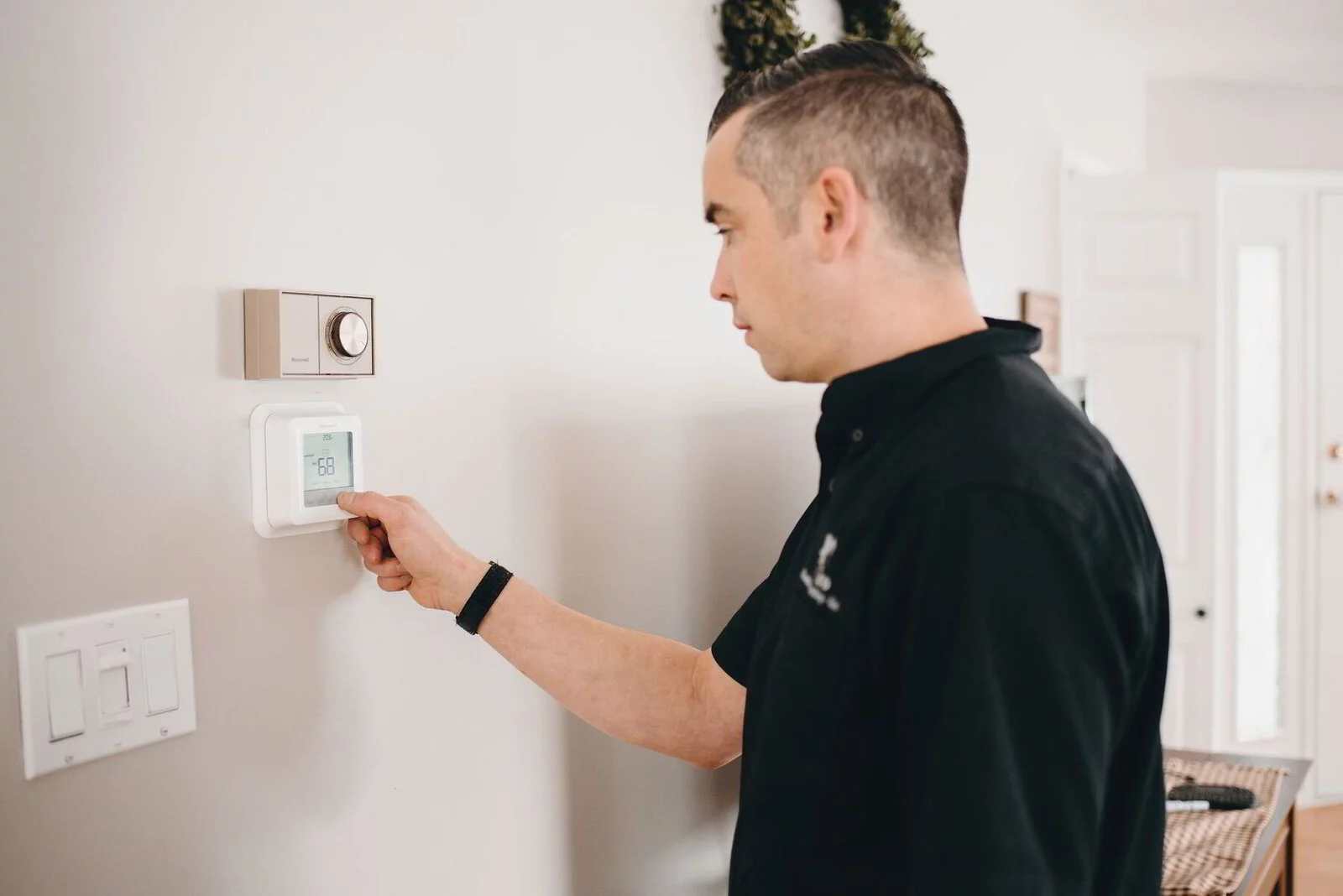
Before assuming the worst:
- Make sure it’s set to Cool mode, not Heat.
- Set the fan to Auto (not On) so it only runs when cold air is ready.
- Confirm the temperature setting is below your current indoor temperature.
- Replace batteries if it’s a battery-powered model.
A mis-set or malfunctioning thermostat is one of the easiest fixes.
2. Replace or Clean a Dirty Air Filter
A dirty air filter is the top cause of poor airflow and a frozen coil. Replace or clean your filter every 1–3 months, or more frequently during high-use summer months. Blocked airflow can cause the evaporator coil to freeze, which in turn prevents the AC from blowing cold air once the ice blocks heat transfer.
3. Inspect for a Frozen Evaporator Coil
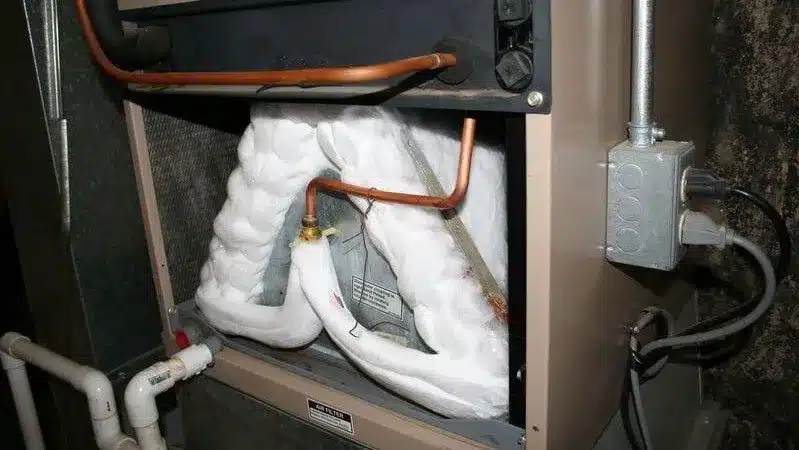
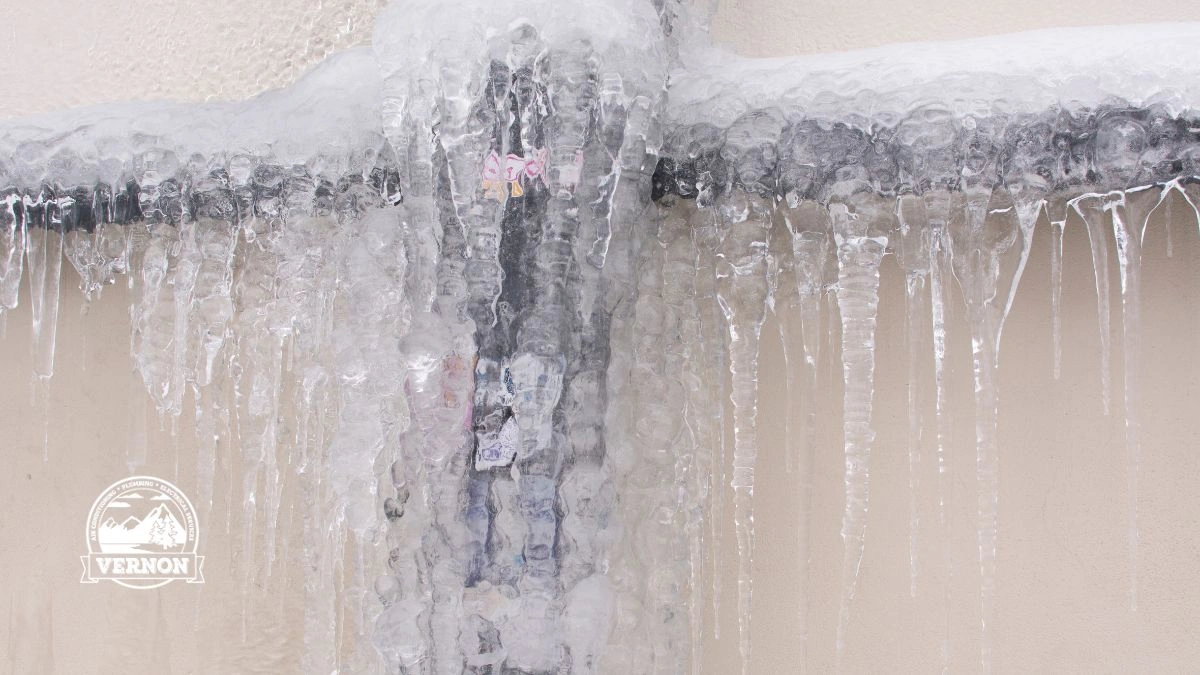
Signs include weak airflow, ice buildup, or a musty smell from bio-growth.
Causes:
- Dirty air filter.
- Furniture or objects blocking vents.
- Collapsed ductwork.
- Low refrigerant levels.
🏠 DIY tip: Turn the AC off and set the fan to On to thaw ice before restarting cooling.
4. Low Refrigerant or a Refrigerant Leak
Your AC is a closed-loop system; low refrigerant levels indicate a potential leak.
- A leak can freeze coils and stop the cooling process.
- Only a certified HVAC technician can find the leak, repair it, and recharge refrigerant (in Canada, handling refrigerants requires proper licensing).
- Keep in mind: refrigerant leaks can harm cooling performance and increase energy costs.
5. Clean a Dirty Condenser Coil
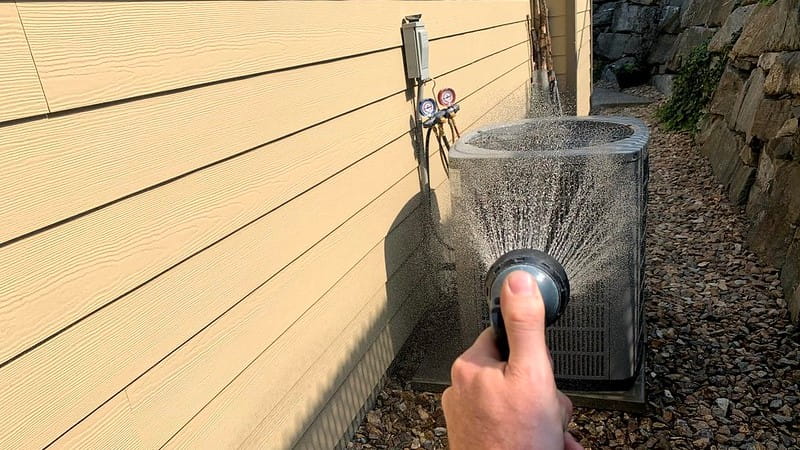
The condenser coil in the outdoor unit needs clear airflow to release heat.
- Keep at least two feet of clearance around the unit.
- Remove debris like grass clippings, leaves, or dirt.
- A blocked condenser will cause inefficient cooling and make your AC blow warm air.
6. Compressor Problems
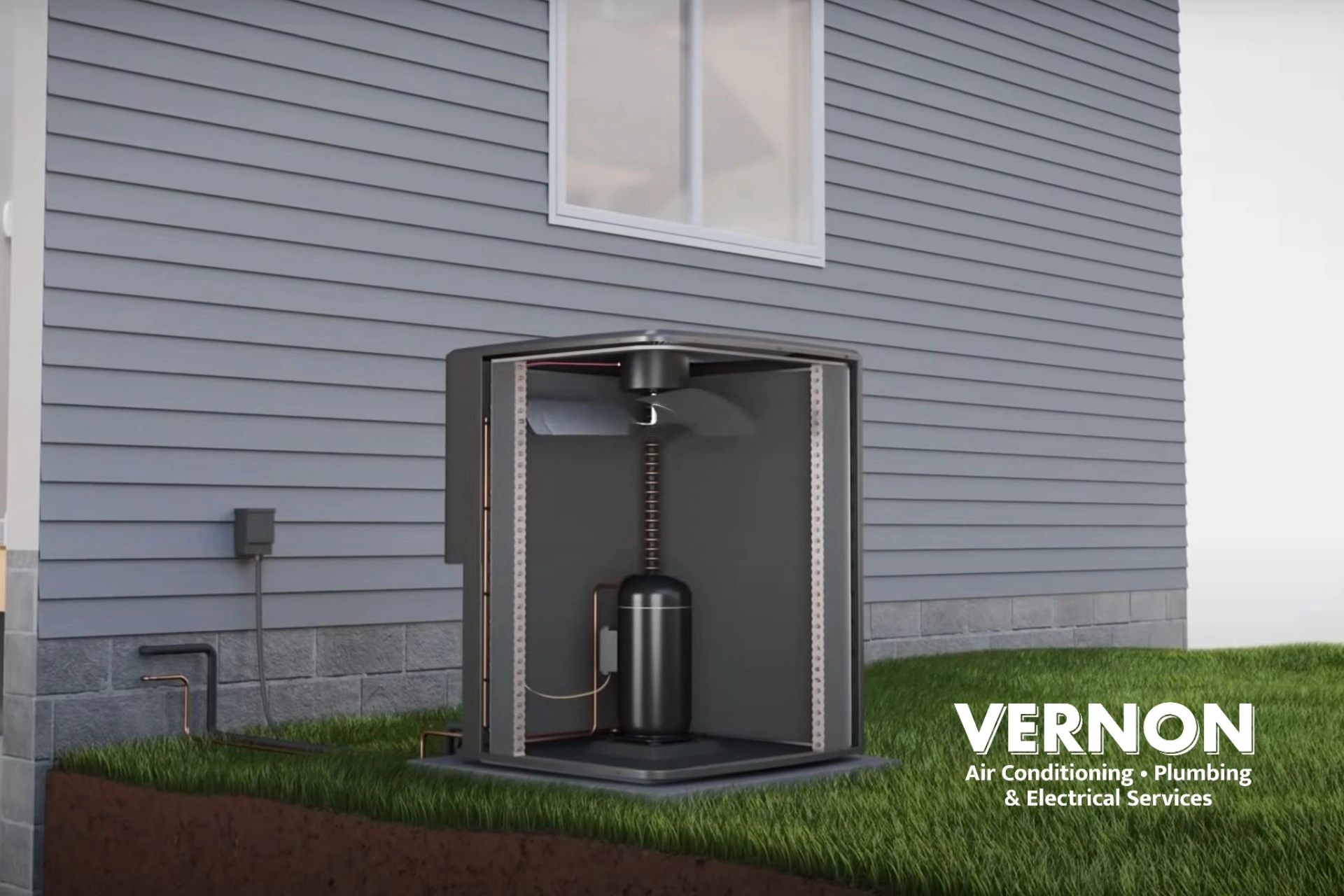
The compressor circulates refrigerant and is a vital component of the cooling process.
- Aging compressors can trip breakers.
- Internal electrical shorts (grounded compressor) may require replacement.
- If your compressor is failing, it’s often a job best left to an HVAC professional.
7. Condenser Fan Issues
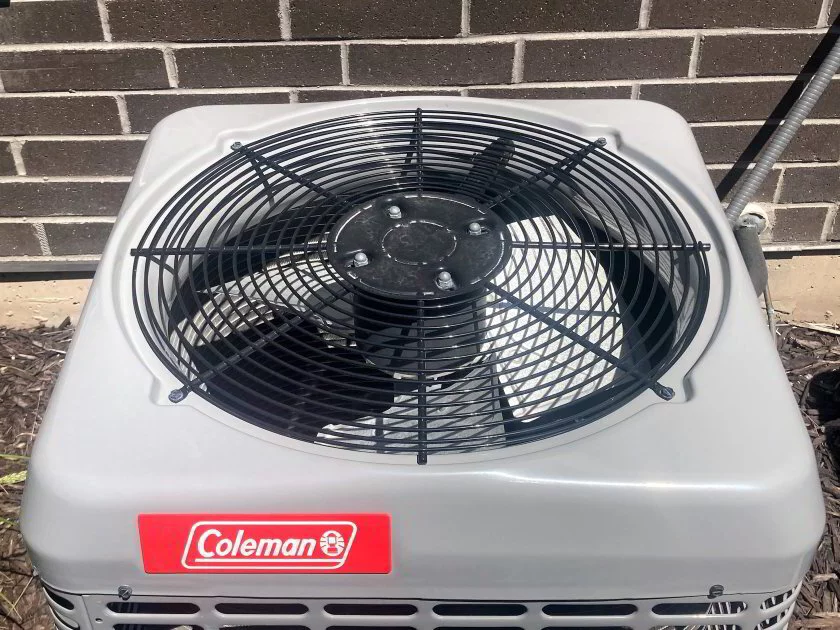
If the fan in your outdoor unit isn’t spinning:
- The condenser can overheat, triggering a safety shut-off.
- Causes include burnt-out motors, damaged blades, or a lack of power.
- Without this fan, your system can’t remove heat from the refrigerant.
8. Electrical or Power Supply Problems
A tripped circuit breaker or blown fuse can stop your cooling system.
- Check the breaker panel and reset if necessary.
- Inspect the outdoor disconnect box to ensure it hasn’t been switched off.
- Persistent trips indicate an underlying electrical problem.
9. Ductwork Problems
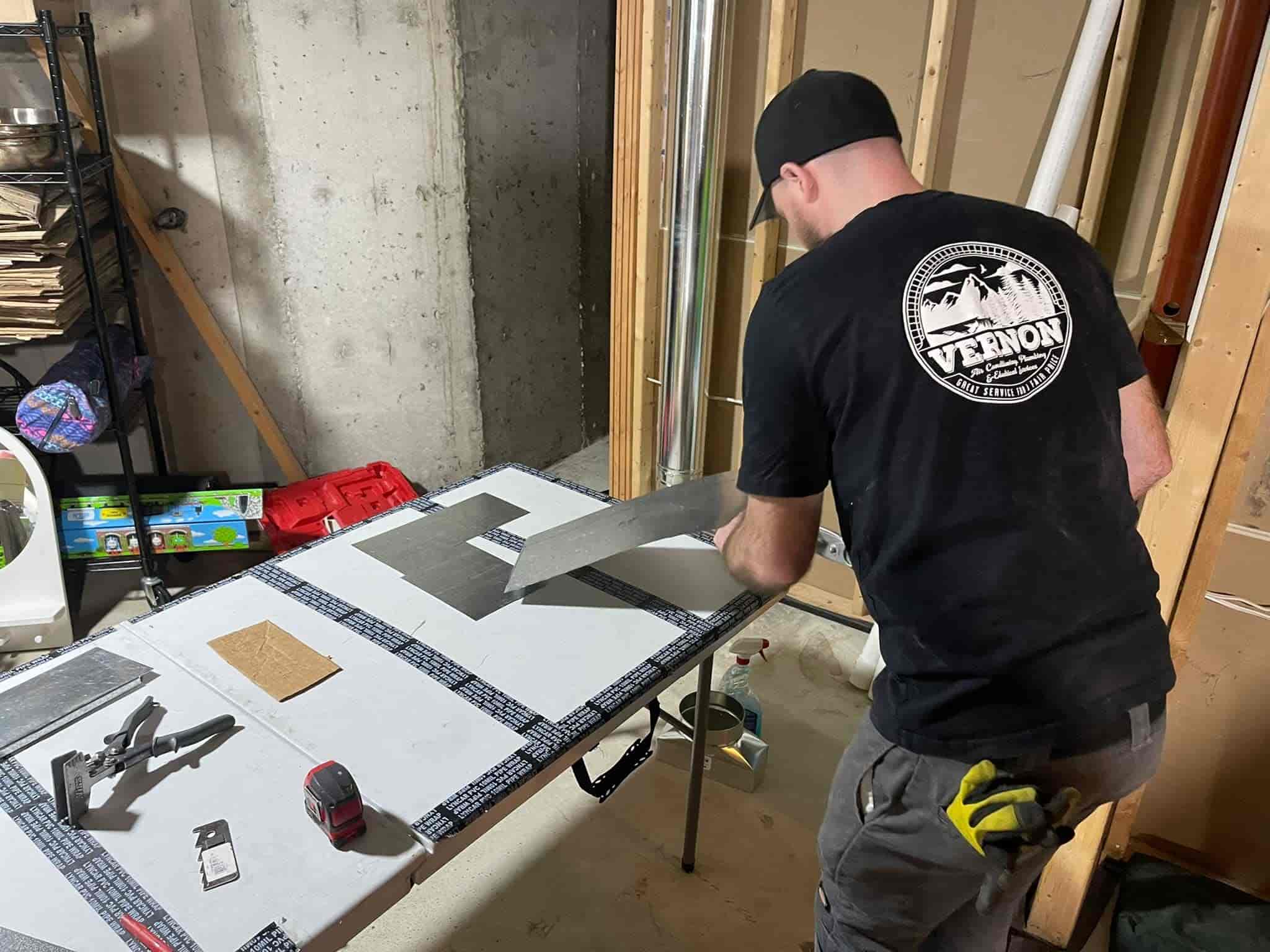
Leaks, blockages, or poor insulation mean cool air never reaches its destination.
- In multi-level homes, zoning issues can leave some areas hot while others cool normally.
- Sealing ducts and adding insulation can improve cooling performance.
10. Blower Motor Failure
If the blower motor isn’t moving air over the coils, the system can’t circulate cool air.
- Problems range from worn bearings to electrical faults.
- Repair or replacement requires the services of an HVAC technician.
👷 Quick DIY Troubleshooting Before Calling a Pro
- Check and replace filters.
- Verify thermostat settings.
- Reset breakers and ensure disconnect is on.
- Clear debris from the outdoor unit.
- Thaw frozen coils by turning AC off and fan on.
- Open all vents and remove obstructions.
If none of these solve the problem, it’s time for a service call.
Preventing Your AC from Blowing Warm Air
- Replace filters regularly.
- Schedule annual maintenance in the spring before the cooling season.
- Keep the outdoor unit clean and clear.
- Seal gaps in windows and doors to prevent cool air loss.
- Use ceiling fans to circulate air and ease the load on your cooling system.
Preventive care reduces breakdowns, lowers energy costs, and ensures your air conditioning system operates efficiently.
“Ethan and Harm were promptly on time each day, very professional, knowledge and friendly. Explained everything throughout the job. Would highly recommend them both.”
– G. Miller
Final Thoughts
An AC blowing hot air can often be fixed quickly if you know where to start. Common culprits include thermostat settings, dirty filters, frozen coils, low refrigerant, or component failures. Addressing these early helps avoid costly repairs and long-term summer discomfort.
A well-maintained air conditioning system keeps cool air flowing, lowers energy costs, and extends its lifespan. Don’t wait for a complete breakdown, prompt repairs and regular maintenance keep your home comfortable when it matters most.
If your system is blowing warm air or showing signs of trouble, don’t wait until it fails completely.
Contact Vernon Air Conditioning, Plumbing & Electrical Services today for expert diagnostics, timely repairs, and customized maintenance plans tailored to North Okanagan homeowners. We’ll get your home comfortable again and keep it that way all season long.
Vernon Air Conditioning, Plumbing & Electrical Services
909 Kalamalka Lake Rd, Vernon, BC V1T 6V4
Phone: 778-403-7886
Need help with AC Repair? Book online today for fast service across the North Okanagan.