
Table of Contents
Got a Bad Furnace Ignitor?
If you have a gas furnace that won’t blow hot air, then one of the furnace parts you may need to repair or replace is the furnace ignitor.
First, you need to determine if the furnace ignitor is bad.
This article will walk you through a step-by-step process to help you determine what type of furnace ignitor you have, how to confirm if it’s not working and how to repair it or even replace it if necessary.
At the end of this article, we also have the option to help you find the part number for the ignitor for your specific furnace.
⭐ Understanding What The Furnace Ignitor Does
When I write articles like this, I try to be concise to speed up the learning curve.
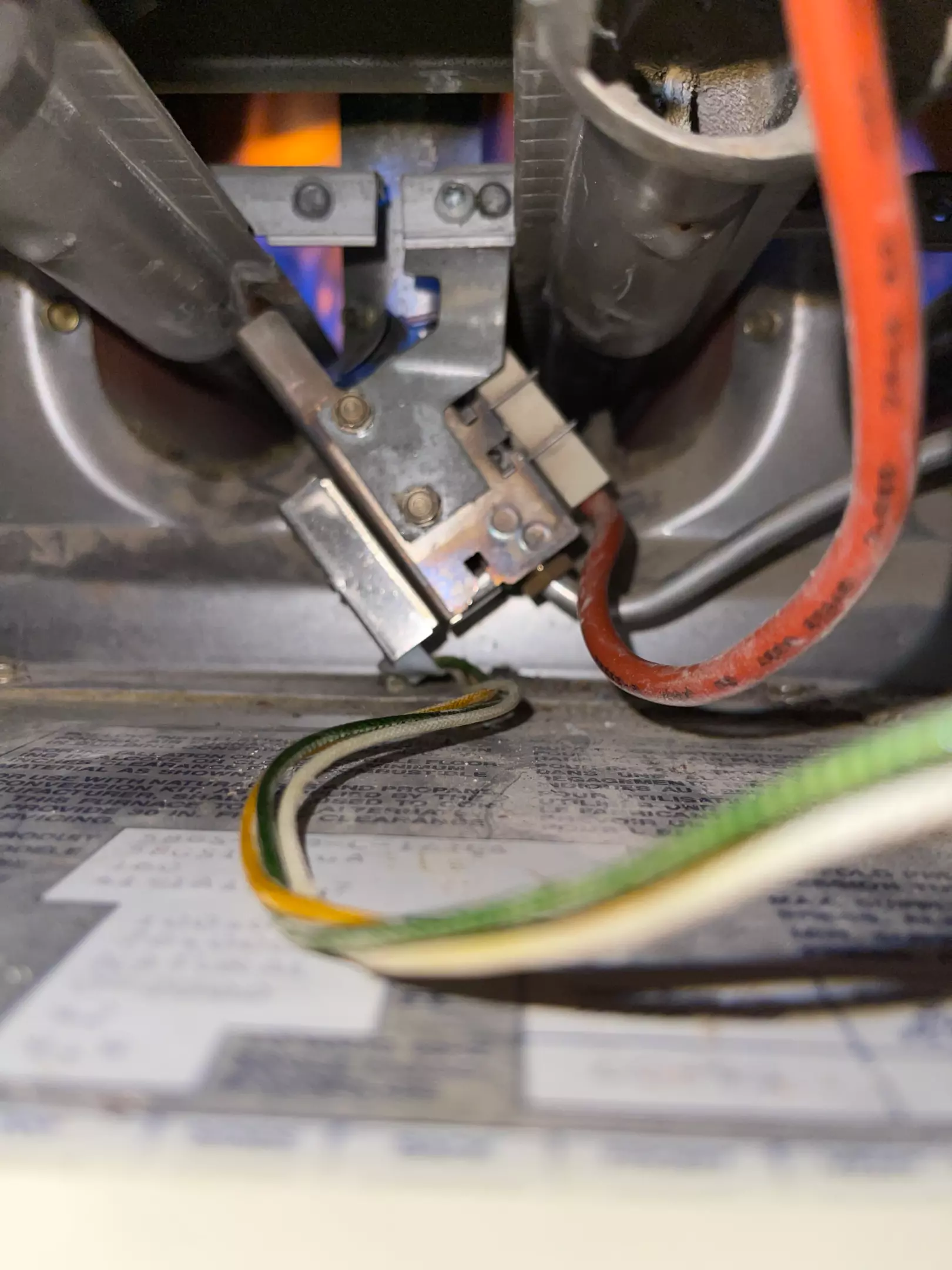
So, the furnace ignitor is located between the burner assembly and the heat exchanger.
When the circuit board gets a signal from the thermostat for the heating cycle to start, it sends that signal to the gas valve to let the fuel flow.
Right before the fuel starts to flow, the furnace control board sends a signal to the ignitor to engage.
Other Names For a Furnace Ignitor
- Pilot Lights
- Hot Surface Ignitors (my favorite)
- Spark Ignitors
⭐ What is a Pilot Light?
A pilot light has a small copper or aluminum tube going from the gas valve to between the furnace burner and the heat exchanger.
The pilot light might always be lit, or it may just light before getting a heating signal from the thermostat.
The pilot light is a small flame that lights the main flame in the furnace burner.

Standing Pilot
A standing flame is when a small flame is always lit.
If you have one, your furnace is always burning a small amount of gas, even during the summer.
You’ll often hear people saying that they had to re-light their furnace or hot water tank pilot light.
If you have ever had to re-light yours, then your furnace ignitor is a standing pilot.
Intermittent Pilot
The name says it all.
This style of furnace ignitor saves you from always burning fuel because it only lights when needed.
One sign of these furnace ignitors going bad is the constant clicking sound coming from the spark trying to light the pilot.
⭐ What are Electric Hot Surface Ignitors (HSI)?
The best way to describe how a hot surface ignitor works is to think of an electric stove element glowing orange when you have it set to high.
Most furnaces these days come with this type of new ignitor.
During the combustion process, either 80 volts AC or 120 volts AC from the circuit board for a predetermined amount of time (set by the manufacturer).
Once they receive that voltage, they start to glow, then the gas valve opens, and the fuel gets sent through the burner orifices, where it flows past the hot surface ignitor and lights the flame.
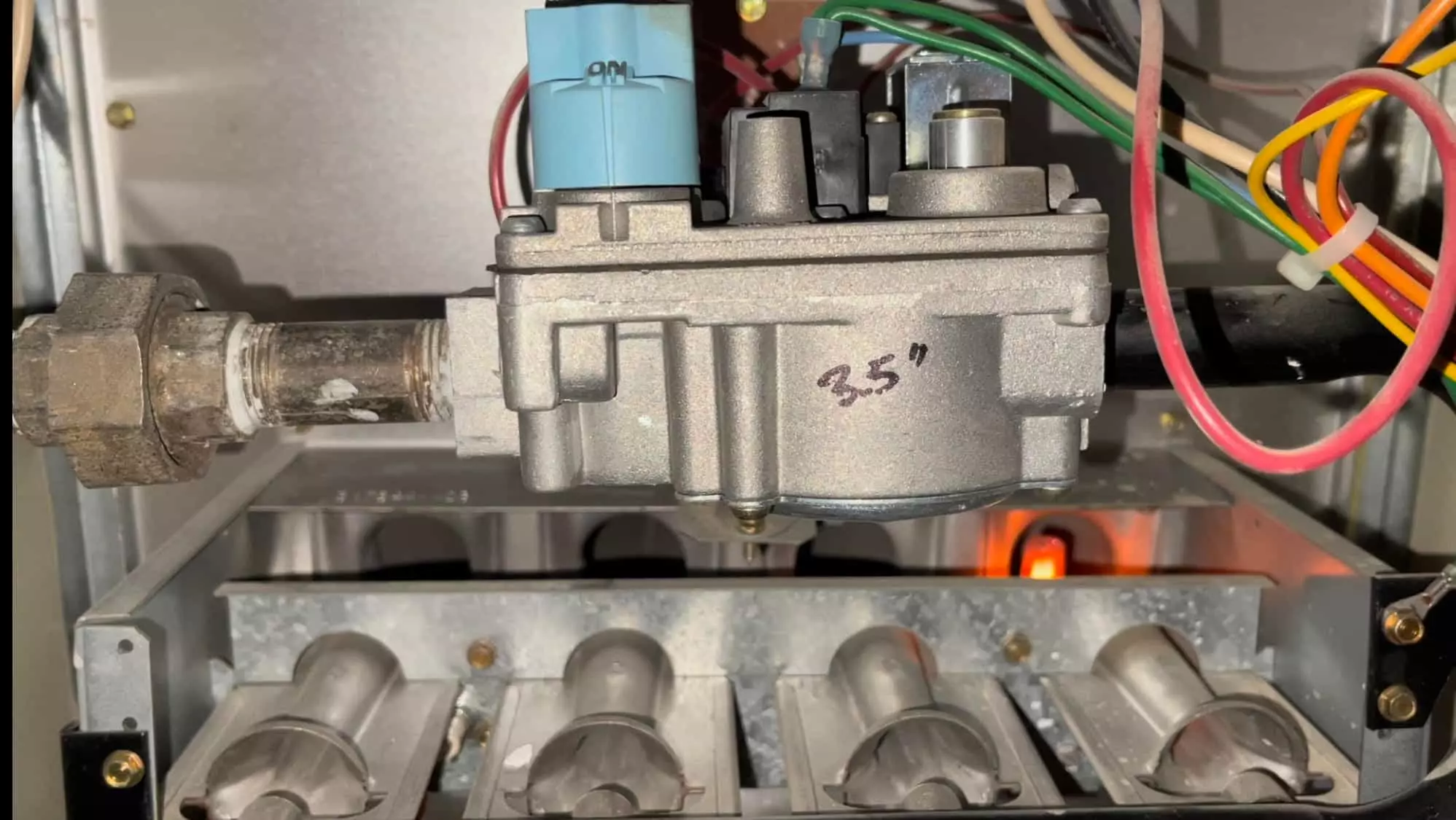
If you watch this process, you’ll notice that once the flame is lit, the hot surface ignitor stops glowing orange, this is because the control board has received a signal from the flame sensor saying that the flame is lit, so the HSI no longer needs power.
⭐ What is a Spark Ignitor?
Click-click-click, Click-click-click, Click-click-click, Click-click-click, enough already!
You might not know if you have a pilot light or an HSI, but you will know if you have a spark ignitor.
If you’re hearing that clicking noise, but the flame isn’t lighting, then you either have a bad furnace ignitor, a bad gas supply, or a bad gas valve.
Either way, the only thing you’ll be getting out of your furnace is cold air.
The way a spark ignitor works is very similar to the HSI, except instead of having a complete circuit, there is a gap that the voltage needs to cross.
When it crosses this gap, it arcs across, creating the “spark ignition.”
If the spark isn’t strong enough, it won’t light the fuel, which might be why you’re here.
⭐Why is an Electronic Ignitor Better Than a Pilot Light?
The main reason the HVAC industry evolved to electronic furnace ignitors is not only because a pilot burns fuel but because we’ve found that pilots are less reliable.
We initially went to spark ignitors, but now we’re mostly seeing HSIs out there because of how reliable they are (and, in my opinion, being way quieter doesn’t hurt).
⭐ Signs of a Faulty Furnace Ignitor
During the combustion process, your thermostat sends a signal to the control board.
From there, the furnace usually turns on the inducer motor and sends the signal through a series of limit switches and a pressure switch, and then the electric ignitor or pilot engages.
You’ll be able to tell if your furnace has a bad ignitor by not seeing the glowing orange, not hearing the click, click, click, or not seeing a pilot flame.
Another sign of a failed ignitor is an abundance of white build-up or a crack in the metal.
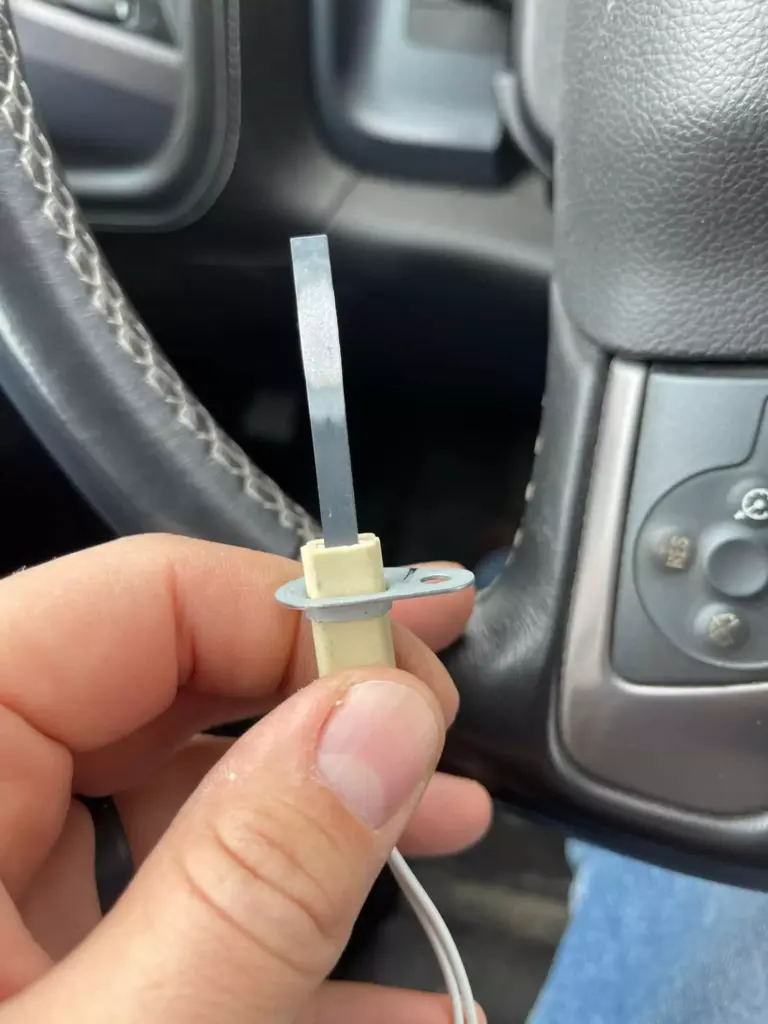
If you can confirm that the voltage/signal is leaving the control board, but you do not see any of the above signs, then you know you’re furnace ignitor is bad.
⭐ Repair or Replace Your Bad Surface Ignitor
Hot Surface Ignitors (HSI)
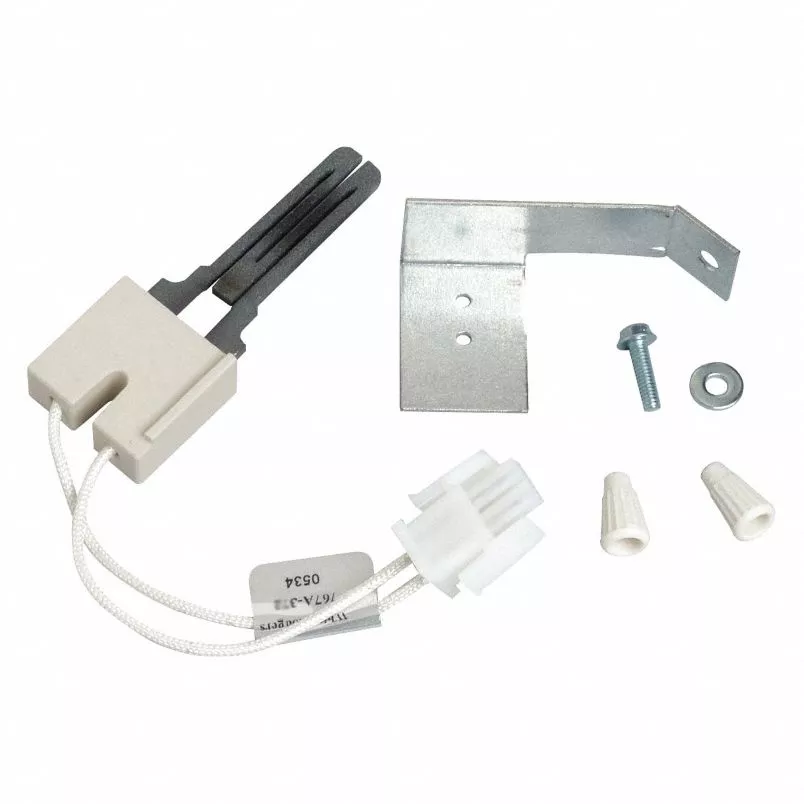
If your faulty furnace ignitor is an HSI, then there is no good way to repair it.
You’ll need your furnace brand, the model and serial number, and a few decent tools to replace it.
The good news is that newer furnaces like yours usually have parts readily available, so your cold house should have warm air again soon.
I recommend removing the bad ignitor before calling the manufacturer or a local furnace part supplier.
I say this because you should confirm that the part they are trying to sell you looks the same as the one you removed.
If you can’t get the part quickly, try installing a universal HSI, but you might be better off calling a licensed HVAC technician.
Electric Furnace Spark Ignitors
If your faulty furnace ignitor is a spark ignitor, then you might be in luck.
For this furnace repair, you’ll need some or all of the tools mentioned below and some emery cloth (kind of like sandpaper).
You’ll need to remove the faulty ignitor and then clean it with the emery cloth.
It will probably look a little brown when you take it out, but once it’s clean, it should be silver.
If you put it back in and it doesn’t work, you can try pinching the ends of the two metal tips closer together and trying again (this is a long shot) or just get your furnace information and purchase the new part.
Pilot Light
Similar to the spark ignitor, some pilot lights can be cleaned with emery cloth.
Before attempting to repair this faulty ignitor, you must confirm that it is getting gas and a signal from the control board.
If it’s not getting either of those, then you have a bigger furnace repair problem.
If you are getting a signal and gas, then cleaning it is your only option.
If that doesn’t work, then you’ll need to replace it.
If order to replace this bad ignitor, you’ll be accessing the gas line and potentially causing future gas leaks.
SAFETY NOTE: This is a dangerous ignitor problem, so I would highly recommend having a licensed and insured HVAC contractor perform this part replacement.
If you choose to perform this ignitor repair yourself, you’ll need the tools below, a small adjustable wrench, a manometer, and some leak soap or an electronic gas leak detector.
Like every other furnace, you’ll need to contact the manufacturer to find the part you need.
That said, you have an older furnace, and the part may be hard to find.
If that’s the case, then call a local contractor to see if they can install a universal part (let them know if it’s a standing pilot or intermittent).
The Tools You Will Want to Have on Hand Are:
- Nut Driver Set, Impact Ready, Magnetic, 5-Piece
- 12-Inch Magnetic Drill Bit Extension
- Milwaukee Shockwave Right Angle Adapter
- Wire Stripper/Cutter
- Electrical Multi-Meter
- Electrical Wire Connectors (Marrettes)
⭐ What to Check Next if You Don’t Have a Bad Furnace Ignitor
Ok, now that you’ve determined that your ignitor isn’t the faulty part, you can move on with troubleshooting.
Below is a list of components to check, but your best bet would be to read our article on the top heating repair problems and solutions to direct you to the next best place to look.
- Replace your furnace air filter
- Turn your thermostat to heating (people seriously forget to do this after the summer)
- Cycle the furnace power switch or circuit breaker on and off
- Clean the condensate drain line
- Make sure the furnace venting is clear and unobstructed
- Uncover or open all of the heat supply and cold air return vents
- Make sure that you’ve paid your gas bill
- Clean the furnace flame sensor
- Check the fuse on the circuit board (it looks like a standard 3 amp or 5 amp car fuse)
⭐ Frequently Asked Questions!
How Long Should a Furnace Ignitor Last?
The typical pilot light or spark ignitor should last between 7-10 years, whereas a hot surface ignitor should last the life of the furnace.
Keep in mind that the life of this component can decrease if the gas pressures or the equipment voltage doesn’t fall within the manufacturer’s specifications.
How Much Does It Cost to Replace a Furnace Ignitor?
The part cost for a hot surface ignitor can range between $50.00 to $250.00.
The part cost for a spark ignitor can range between $10.00 to $50.00.
The part cost for a pilot light can range from $25.00 to $150.00.
How Do I Know If My Furnace Ignitor Is Bad?
You may have a faulty ignitor if your heating system exhibits one of the following symptoms: the furnace won’t turn on, cold air is coming out of the vents, a flashing red light is visible on your furnace, the furnace constantly starts and stops, or you hear a constant clicking noise.
How Long Does it Take to Replace a Furnace Ignitor?
An experienced technician with the right tools takes about three minutes to change a spark ignitor or a hot surface ignitor and about 10 minutes to change a pilot light.
Where is the Furnace Ignitor Located?
The furnace ignitor is always located between the burners and the heat exchanger. It would usually be on the right side of the combustion chamber on vertically installed furnaces.
Why Hiring an HVAC Contractor is a Safer Solution

Replacing the component that lights the flame in your gas furnace isn’t something to take lightly. If done incorrectly, especially if safety switches are compromised, it can put your home and family at serious risk.
Licensed HVAC technicians have the experience, tools, and access to the necessary parts to safely restore your furnace and get your heating system back up and running quickly.
If you’re in the North Okanagan and need affordable, reliable help, Vernon Air Conditioning, Plumbing & Electrical Services is just a call away. Let our experts handle the job safely and professionally so your home stays warm all winter.