
Table of Contents
How to Fix a Clogged Furnace Condensate Drain Line.
If you have a high-efficiency gas furnace that won’t run, a clogged drain line could be one of the reasons. If you’re unsure, the simple way to check is to look for a little clear ‘Sight Glass’ and count how many times the red light flashes.
A flash code list will be on the front or back of the furnace access door. If the code for the number of flashes you counted is related to a pressure switch or the condensate drain line, you might have a clogged condensate drain.
Key Takeaways
- Regular Inspection: Regularly inspect and clean your furnace condensate drain line to prevent clogs and water damage.
- Condensate Neutralizer: Install a condensate neutralizer to protect your plumbing from acidic condensate.
- Proper Slope: Ensure the drain line is properly sloped for efficient drainage away from your furnace.
- Watch for Blockages: Watch for signs of blockage like water pooling or unexpected furnace shutdowns.
- Professional Maintenance: Schedule professional maintenance to keep your furnace and condensate system functioning optimally.
How to Unclog Your Furnace’s Condensate Drain
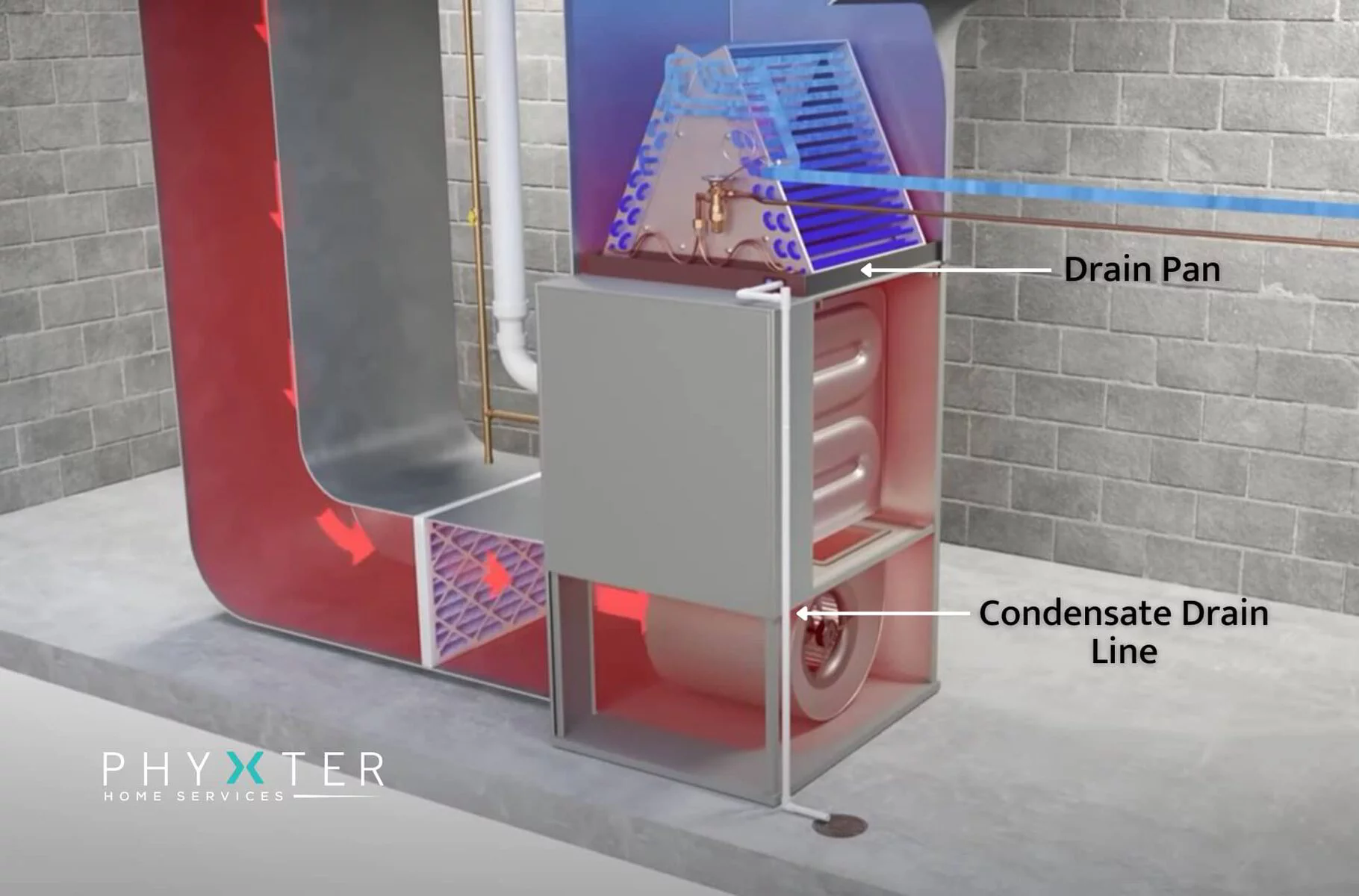
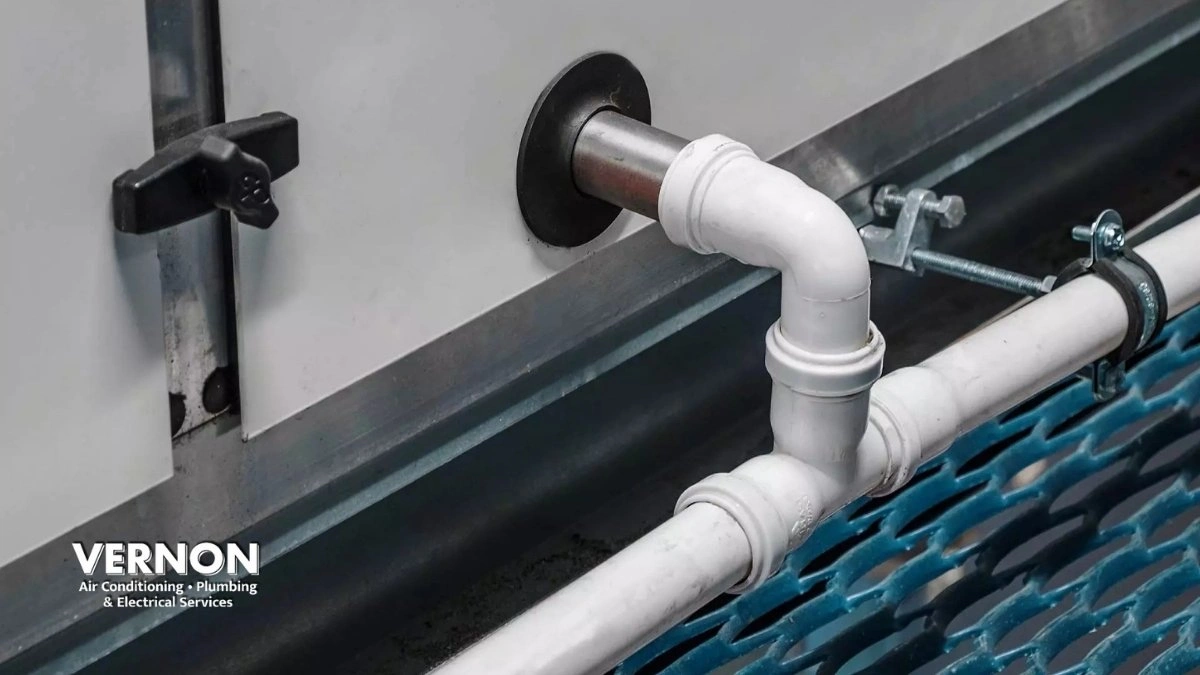
There are multiple ways to unclog the drain line, but the ease of the process will depend on how well the furnace was installed. If it was installed with maintenance in mind, then a removable p-trap or drain trap should be installed; if there is, then simply remove it, and rinse it out in your sink.
Make sure to refill it with clean water prior to putting it back in. If it’s not removable or a drain trap isn’t installed, then your job just got a little more difficult. Some tools you might be able to use to unclog your furnace condensate drain.
How to use Different Tools to Unclog Your Condensate Line:

- Drain snake – Using a flexible wire brush, you can push it up or down the condensate trap to not only clear the blockage but also clean the inside of the condensate line, reducing the chances of future blockages. You can purchase flexible drain brushes that are over five feet long. If that’s not long enough, you’ll need to explore alternative solutions for your clogged condensate drain tube.
- CO2 gun – This is a tool used by HVAC technicians to quickly blow out the drain line. It’s a quick fix, but it won’t prevent future blockages. After blowing out the drain line, you should clean it with a mixture of white vinegar, hot water, and soap.
- Wet and Dry Vacuum – using a wet and dry vacuum to unclog a furnace condensate drain line requires a little ingenuity, as you’ll need to seal the suction end of the vacuum around the condensate line so that it’s air-tight. The wet and dry vacuum will clear blockages halfway up the drain line if done correctly.
- PVC cutter or hacksaw – these tools will be used to remove the condensate line, allowing for easier work.
- PVC glue, PVC pipe, and a PVC coupling (usually 3/4″) – these materials will be needed to put condensate drains back together.
Before we get started, let’s learn about why condensate drain lines get plugged in the first place.
Why Does a Condensate Line Get Clogged In The First Place?
When a high-efficiency gas furnace burns fuel, it creates acidic condensation that can cause slime and rust to build up in the condensate p-trap. There’s nothing you can do about this other than to ensure the furnace is operating as designed by having it looked at annually by an experienced HVAC technician.
What is a Condensate Pump Float Switch For?
A condensate pump float switch is used to prevent the furnace from running when there is an issue with the condensate pump that prevents it from safely pumping condensation to a drain line.
If your furnace isn’t running and your condensate pump is full, you might need a new one.
What is a Condensate Drain Pan For?
A condensate drain pan serves as a backup in case the primary drain pan or condensate line becomes blocked or clogged. If this happens, the primary drain pan could overflow and leak into the secondary condensate drain pan. This drain pan will have its dedicated drain line.
Why Does a High-Efficiency Furnace Make Condensate?
A high-efficiency furnace produces condensate because it burns a high percentage of fuel, resulting in most of the exhaust becoming water vapor. The exhaust cools down due to the effectiveness of the heat exchanger, and when that exhaust comes into contact with the cooler PVC exhaust tubes, it condenses into water droplets.
The furnace venting is designed to slope back to the furnace, allowing water droplets to return to the drain line and eventually into the home’s plumbing drains.
If a high-efficiency furnace isn’t set up correctly during installation, the combustion process can be affected to the point where flue gases traveling through the exhaust system create excess moisture. This is usually caused by improper gas pressures.
Another negative side effect of improper gas pressures or excess moisture is premature rusting and heat exchanger failure.
Where Can I Drain My Condensate Line?
Most homes can drain their condensate line to a floor drain, but if you’re on a septic system, the answer is a little more complicated.
When a furnace burns gas, the resulting condensation is technically clean—but its pH is usually between 2.9 and 4, making it acidic. This acidity can damage pipes, septic systems, water treatment facilities, and more. To safely drain furnace condensate, it is recommended to install a condensate neutralizer.
The condensate water flows through the neutralizer, which contains materials like calcium carbonate, CO₂, and salt that neutralize the acid, making it safe for your septic system.
Other Symptoms of Furnace or AC Condensate Drain Issues
Water Damage
If you have a clogged condensate line or a condensate pan that overflows, you may notice water on the floor around your HVAC system, water stains on nearby walls, or, if the HVAC system is installed in the attic, then you might have water stains on the ceiling.
Musty Smells or Odors in Your Home
Condensate drainage issues with your HVAC system lead to excess moisture in your home. As this excess moisture stagnates in your HVAC system, the odors travel through your ductwork and circulate throughout your home.
If you’re noticing musty or moldy odors in your home, the first place to check is your HVAC system.
Excess Condensation Indoors or on Windows
If it’s not raining outside, you haven’t turned up your humidifier, and you still have condensation around the edges of your windows, you might have a problem with your furnace or air conditioner condensate drain line. Check the drain lines coming out of the AC evaporator coil and the furnace.
Higher Energy Bills
This primarily relates to the summer, as an air conditioner dehumidifies. If your drain line isn’t working properly, your AC will have to work harder to cool the house. If your utility bills are higher than usual, you should check to ensure there are no signs of a condensate drainage issue.
Poor Indoor Air Quality
Does it feel muggy or cold and clammy in your home? Are your allergies worse than usual? Then, high humidity levels caused by drain line issues could be the cause. Check your system for the signs mentioned in this article, or call an experienced HVAC technician for help.
Mould Growth Inside Your Home
Mould thrives in warm and humid climates and can initially be seen around the furnace. If left unchecked, mould will spread throughout the home and can cause significant health issues for you and your family.
To ensure that problematic HVAC drains aren’t your issue, an HVAC contractor should perform annual maintenance on your HVAC equipment.
Final Thoughts on Clogged Condensate Drain Lines

Understanding the importance of your furnace condensate drain line is crucial for maintaining an efficient and safe heating system. Regular inspections, proper installation of condensate neutralizers, ensuring correct drainage slopes, and staying alert for signs of blockages can help prevent costly repairs and extend your furnace’s lifespan.
If you live in the North Okanagan, don’t wait for small issues to become major problems. Vernon Air Conditioning, Plumbing & Electrical Services is here to help you keep your home warm and worry-free through the colder months.
Contact us today for expert furnace maintenance and discover how proactive care can save you time and money. Want to learn more? Explore our other insightful furnace articles to stay informed and keep your home heating running efficiently year-round.
Vernon Air Conditioning, Plumbing & Electrical Services
909 Kalamalka Lake Rd, Vernon, BC V1T 6V4
Phone: 778-403-7886
Need help with Furnace Repair? Book online today for fast service across the North Okanagan.