
Table of Contents
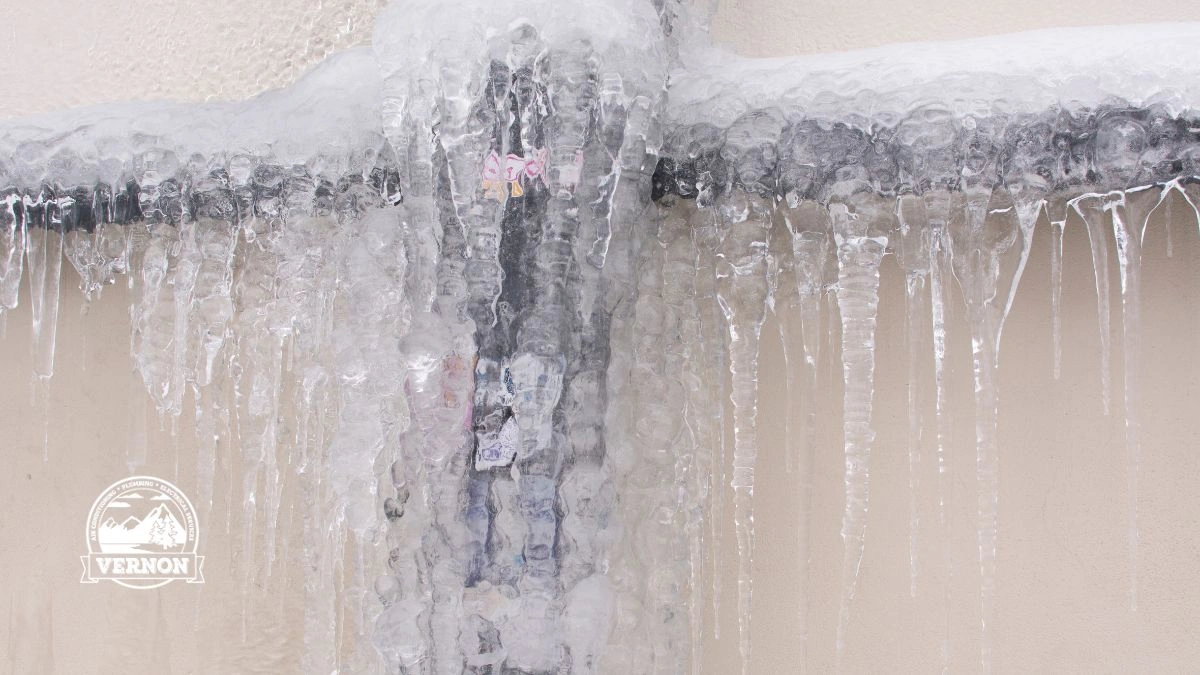
Frozen pipes are one of the most common winter plumbing problems in Canada. During cold snaps, water inside pipes can freeze, expand, and place extreme pressure on the pipe walls. If not handled correctly, frozen pipes often lead to burst pipes, water damage, mould growth, and costly repairs.
This guide explains why pipes freeze, how cold it really needs to be, how long it takes to freeze, how to do it safely, and how to prevent it altogether.
Why Frozen Pipes Happen
Frozen pipes occur when water-filled plumbing is exposed to freezing temperatures long enough for ice to form. In Canadian homes, the most common contributing factors include:
- Pipes in exterior walls
- Unheated basements, crawl spaces, garages, or attics
- Poor or missing insulation
- Cold air drafts near plumbing penetrations
- Extended periods of extreme cold
- Little or no water movement in the pipe
Seasonal properties, vacant homes, and garages with plumbing are especially vulnerable.
At What Temperature Do Pipes Freeze in Canada?
In Canada, indoor pipes are generally at risk of freezing when outdoor temperatures fall to around –4°C or lower, particularly if they are poorly insulated or exposed to drafts. Cold weather alone does not guarantee frozen pipes, but location and insulation make a significant difference.
Outdoor water lines are typically buried below the frost line, so they usually do not freeze until temperatures approach –20°C or colder for extended periods. Indoor pipes, however, can freeze much sooner, sometimes close to 0°C, if heating is turned off or inconsistent.
Both metal and plastic pipes can freeze. High-risk locations include:
- Exterior walls
- Unheated basements or crawl spaces
- Garages with plumbing
- Uninsulated attics
- Areas near vents, rim joists, or air leaks
How Long Does It Take for Pipes to Freeze?
In many cases, pipes can begin freezing after about 6 hours of exposure to freezing temperatures. In Canadian conditions, this timeframe can vary significantly.
Factors that can cause pipes to freeze faster include:
- Strong wind chill forcing cold air into wall cavities
- Poor insulation or exposed piping
- Pipes located in unheated spaces
- Minimal water flow
- Sudden temperature drops during a cold snap
In severe weather, pipes can freeze within hours, especially overnight when heating systems cycle less frequently. Homes left vacant or set to low temperatures are at higher risk.
Warning Signs of Frozen Pipes
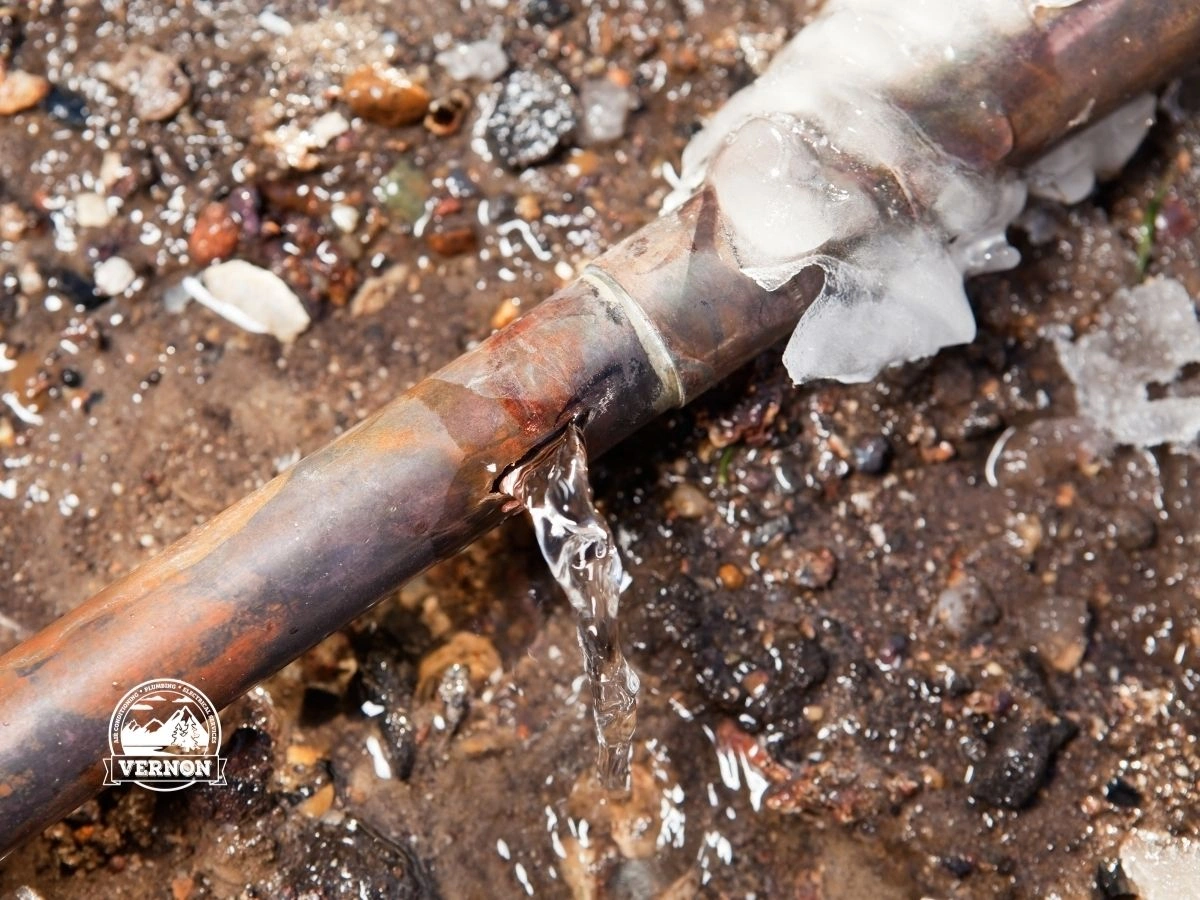
Frozen pipes do not always fail immediately. Early warning signs include:
- Little or no water flow from a faucet
- Frost or condensation on exposed pipes
- Gurgling sounds when taps are opened
- Unusual odours from drains
- One fixture is affected while others work normally
Catching frozen pipes early significantly reduces the chance of a burst.
Do Frozen Pipes Always Burst?
Frozen pipes do not always burst, but the risk increases significantly if they are left frozen or thawed without relieving pressure. Most failures occur during thawing, not at the moment freezing begins.
When water freezes, it expands by a little over 9% as it turns to ice due to changes in its molecular structure, which is why freezing water can generate damaging pressure inside pipes. The real danger comes when ice blocks the pipe, and water pressure builds behind the frozen section.
As pressure increases, the pipe can:
- Bulge outward
- Develop hairline cracks
- Split open once thawing begins
This is why pipes often appear fine until water service is restored and leaks suddenly become visible.
🏠 How to Safely Thaw Frozen Pipes
Thawing frozen pipes must be done slowly and carefully.
Step 1: Shut Off the Water Supply
- Turn off the main water shut-off valve
- This prevents flooding if the pipe cracks during thawing
If you cannot locate the shut-off or suspect an active leak, stop and call a plumber.
Step 2: Open Faucets to Relieve Pressure
- Open the faucet connected to the frozen pipe
- Leave it open during thawing
This allows melting ice and pressure to escape safely.
Step 3: Apply Gentle Heat
Use only safe heat sources:
- Warm towels wrapped around the pipe
- A hair dryer on low or medium heat
- A space heater placed at a safe distance
Start heating closest to the faucet and work toward the frozen section.
Step 4: Thaw Slowly and Monitor
- Apply heat gradually
- Watch for leaks or bulging
- Listen for water flow returning
Once water flows, leave the faucet open for several minutes to clear remaining ice.
Critical Safety Warnings
Never use:
- Open flames or propane torches
- Welding equipment
- Fuel-burning heaters
These methods create fire hazards, weaken pipes, and can void insurance coverage.
Step 5: Inspect After Thawing
- Check pipes for leaks or dampness
- Inspect nearby walls, ceilings, and floors
- Monitor the area for several hours
Even small cracks can worsen once full pressure returns.
How to Prevent Frozen Pipes
Prevention is far easier and cheaper than repairs. Key steps include:
- Insulate exposed pipes with foam sleeves or wraps
- Seal air leaks near plumbing penetrations
- Keep indoor temperatures consistent, even when away
- Open cabinet doors under sinks during cold weather
- Let faucets drip slightly during extreme cold
- Disconnect garden hoses and shut off outdoor taps
- Drain plumbing in seasonal or vacant properties
Homes with a history of freezing issues should prioritize insulation upgrades.
When to Call a Plumber
Call a licensed plumber if:
- You cannot locate the frozen section
- Pipes are frozen inside walls or ceilings
- You suspect a pipe has burst
- Water does not return after thawing
- Multiple fixtures are affected
Professional plumbers can thaw pipes safely, test for hidden damage, and restore water flow without increasing the risk of failure.
Why Frozen Pipes Matter

Frozen pipes are among the most common winter plumbing failures in Canada. Left unaddressed, they can cause extensive water damage, mould growth, insurance claims, and lengthy disruptions to water service. Early action and proper prevention significantly reduce these risks.
If you’re dealing with frozen pipes or want to winter-proof your plumbing, homeowners in the North Okanagan can contact Vernon Air Conditioning, Plumbing & Electrical Services for professional plumbing support and preventative inspections before the next cold snap.
Vernon Air Conditioning, Plumbing & Electrical Services
909 Kalamalka Lake Rd, Vernon, BC V1T 6V4
Phone: 778-403-7886
Need help with Frozen Pipes? Book online or call today for fast services across the North Okanagan.