Table of Contents
When the temperature in your home drops, your furnace gets to work by producing enough heat to reach the desired temperature.
A common problem that occurs in the winter is a short cycling furnace.
What does Furnace Short Cycling mean?
Furnace short cycling refers to when your furnace frequently turns on and off, preventing it from producing enough warm air to keep your home comfortable during the cold weather season.
Below are nine furnace short-cycling causes and solutions.
1. Bad Flame Sensor
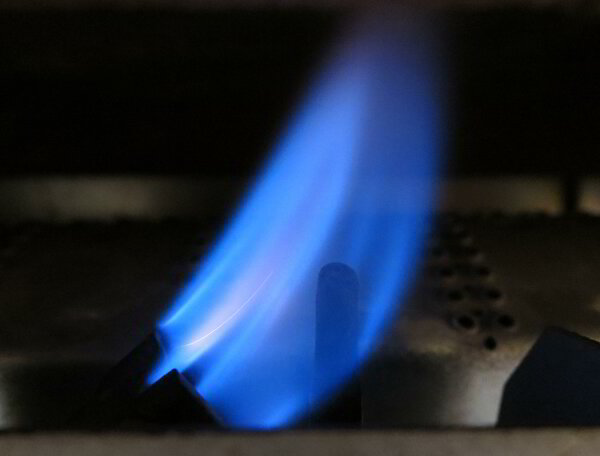
A dirty flame sensor will cause your furnace flame to go out, even right after being lit.
When the flame sensor doesn’t sense a flame, it will shut off the natural gas valve to keep it from pumping raw gas into your home, which could lead to deadly gas fires. A bad flame rod shuts off the flame immediately after being lit, resulting in a short furnace cycle.
Flame sensors are also subject to corrosion. This is because your furnace produces small amounts of water during the heating cycle. Over time, this can lead to corrosion and rust in your furnace, resulting in short cycling.
✅ The Solution
Cleaning or replacing the flame rod is the best way to restore a bad flame sensor and prevent short heating cycles. However, doing so requires careful techniques and specialized tools, so it is best to leave this task to the professionals.
Related Reading:
- How to Clean a Furnace Flame Sensor in 5 Easy Steps!
- How to Diagnose and Repair a Bad Furnace Ignitor
2. Furnace Overheating
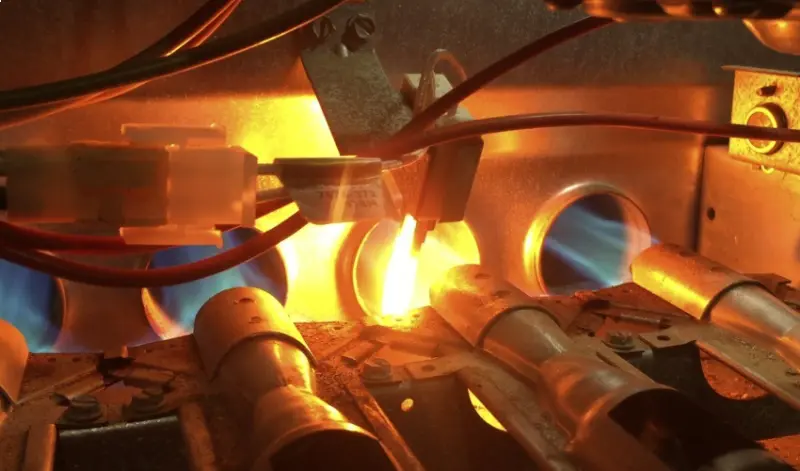
Overheating is another common issue that causes a furnace to short cycle. Frequent overheating results in your furnace turning itself off to prevent potential damage. Faulty temperature monitors will result in an inefficient system, leading to temperature swings and short cycling.
An overheating furnace can cause more than short cycling. A faulty thermostat in your furnace can damage the heat exchanger and release small amounts of poisonous carbon monoxide (CO) into your home.
🛑STOP: Carbon monoxide leaks are extremely life-threatening and are the last thing you need in your home.
A dirty air filter caused by restricted airflow is the most common cause of overheating. A dirty filter prevents sufficient airflow, especially when combined with dirty interior vents, resulting in a significant furnace problem.
✅ The Solution
Reaching out to a local HVAC professional to schedule a system repair is the ideal solution to an overheating furnace. HVAC technicians use specialized equipment to restore a heating system safely and effectively.
3. A Dirty Furnace Filter

A contaminated air filter prevents hot air from circulating throughout your home, resulting in short cycles and overheating. Restricting the air coming into the system causes a clogged exhaust vent and poor insulation.
Aside from affecting the furnace cycles, dirty air filters prevent your furnace from warming your home sufficiently and escalate into more significant issues.
✅ The Solution
The easiest way to prevent a clogged air filter is to replace the air filters frequently. If your furnace turns on and off repeatedly due to a contaminated filter or exhaust vent, scheduling a professional furnace service will prevent the problem from growing into something more severe.
4. You Have an Oversized Furnace
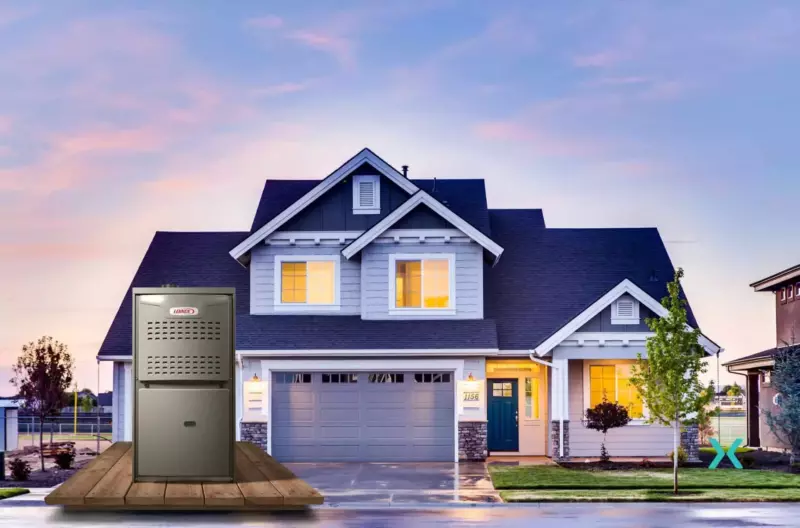
Like the other home appliances, your furnace is not a one-size-fits-all system. An oversized system can result in short cycling by quickly and unevenly distributing air.
If your furnace is short cycling or you notice that your energy bills are higher than usual, you may want to check the size of your furnace.
✅ The Solution
Unfortunately, there is no repair option for an oversized furnace. In this case, the best way to prevent a furnace short cycle is to replace the system with one that fits your home.
5. Air Leaks
Insufficiently sealed windows and poor insulation prevent your furnace from producing enough air to heat your home correctly. Newly heated air will escape through these openings, preventing your system from properly heating the room.
✅ The Solution
Thankfully, this is a minor issue that requires a simple fix. Simply check the window frames in your furnace to make sure that they seal correctly. If the problem persists, reach out to a local technician.
6. Clogged Exhaust Flue

Random items around the inside and outside of your home can find their way into the flue.
When the exhaust flue clogs, your furnace shuts down to prevent carbon monoxide from spreading. Birds’ nests, leaves, and other debris often lead to a blocked exhaust vent. Assuming you don’t need to get animal control involved, you may be able to remove the blockage yourself.
✅ The Solution
Fixing a clogged exhaust flue often requires professional attention. If you notice a significant flue clog, reach out to an HVAC expert right away to restore your system if you cannot remove it yourself.
7. Blocked Heat Grates
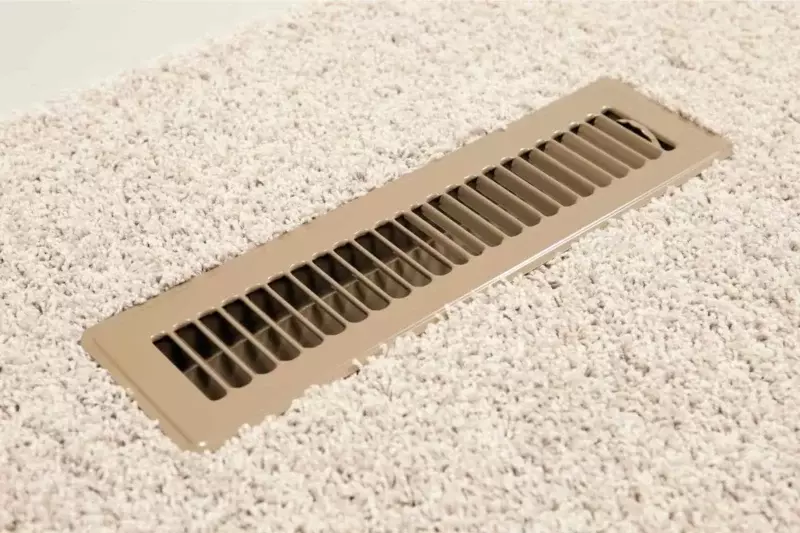
As air flows through your furnace, the heat grates (HVAC registers) allow the warmth to leave the system and circulate throughout your home. However, a blocked heat grate prevents the system from releasing enough heat and air to warm up the room, resulting in a short cycle and overheating.
✅ The Solution
Check the heat grates for any blockage. In some cases, you can clear away the debris relatively quickly. Otherwise, you may need to schedule a system repair.
8. A Thermostat Mounted in the Wrong Place
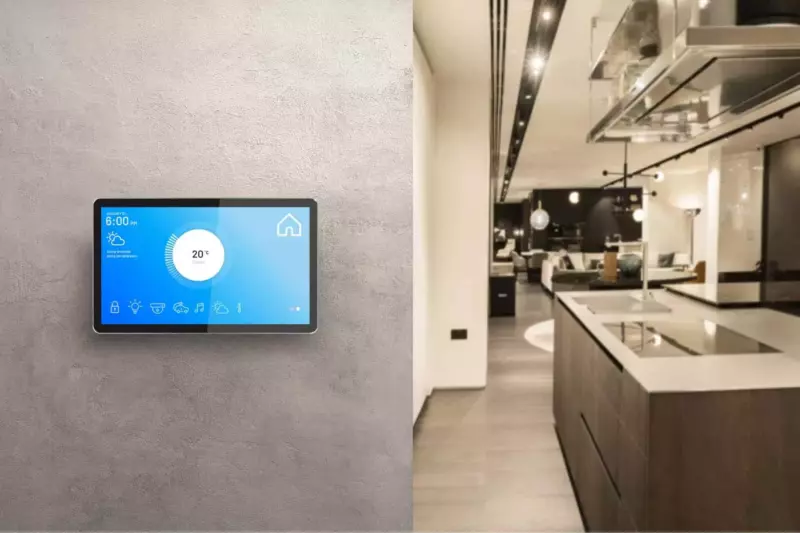
The location of your thermostat affects the heating capability of your furnace.
A thermostat located near the furnace will heat quickly.
Your furnace works by releasing enough warmth to reach the desired temperature, read by the thermostat.
A thermostat in direct sunlight can also have an adverse effect on the temperature.
When the thermostat heats up quicker than the rest of the room, your furnace will shut off more frequently.
✅ The Solution
Keeping your thermostat in a central location prevents it from heating up before the rest of your house does. Your local HVAC professional can help you with thermostat and furnace installation and replacement.
For more information about troubleshooting a faulty thermostat, check out our handy guide: Thermostat Not Working? Read our Quick Fix It Guide!
9. Blower Motor
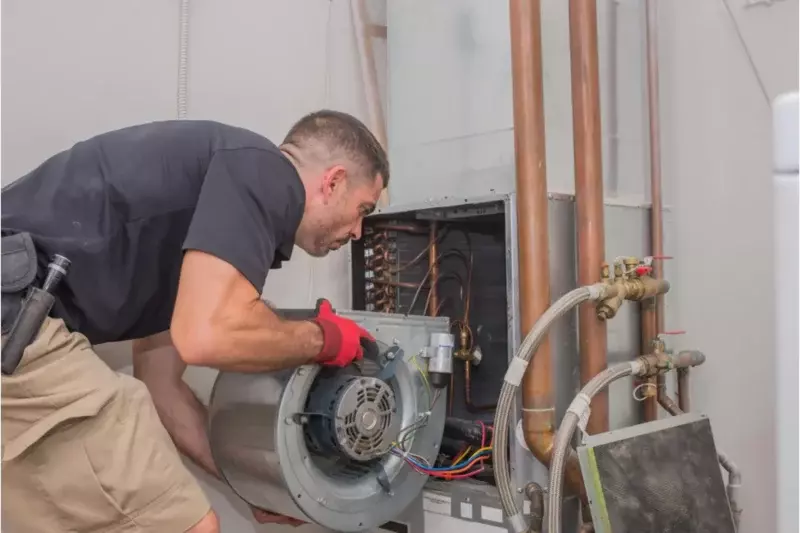
The blower gets the warm air circulating throughout your home. When it malfunctions, your system cannot distribute the air and reach the desired temperature. The heat exchangers in your furnace cannot heat any air when the blower motor is off.
✅ The Solution
A professional repair is the best solution when the inducer motor or furnace blower stops working.
Furnace Short Cycling? Contact the HVAC Experts!
Furnace short cycling can be both frustrating and expensive if left unchecked. Fortunately, identifying the root cause and taking timely action—whether it’s a DIY fix or calling in a professional—can restore your system’s performance and protect your wallet.
Addressing short cycling early not only improves efficiency but also extends the life of your heating system.
✅ Live in the North Okanagan? Contact Vernon Air Conditioning, Plumbing & Electrical Services for expert furnace diagnosis and repair.
Want to learn more about your home’s heating system? Check out our other furnace articles for helpful tips and solutions.