
Table of Contents
If you just Googled “Humidifier vs Dehumidifier,” you’re in the right place. After living in various cities across the country, I’ve experienced firsthand how drastically humidity levels can vary based on geography and climate. Whether you’re near a large body of water or in a region with extreme heat or cold, maintaining the right indoor humidity can be challenging.
The most effective way to manage humidity is by using either a humidifier or a dehumidifier—but which one does your home need?
Excess humidity can make your home feel warmer and lead to health issues, while low humidity can worsen allergies, weaken your immune system, and damage wood surfaces. In this article, we’ll help you understand the difference, and how adjusting your home’s humidity levels can improve both your comfort and well-being.
⭐ The Difference Between a Humidifier and a Dehumidifier
A humidifier can either be added to an HVAC system to add moisture to your home’s air, or you can purchase a portable system to add moisture to individual rooms. Most areas with colder climates require humidifiers during winter to combat the cold, dry air.
A dehumidifier is added to the home in traditionally warmer climates to pull excess moisture out of the air.
There are also geographic areas near large bodies of water that require dehumidifiers in the spring and summer. The HVAC industry usually tells customers that the ideal humidity level is between 40% and 60%.
It is also believed that proper humidity control can reduce symptoms for the majority of health problems.
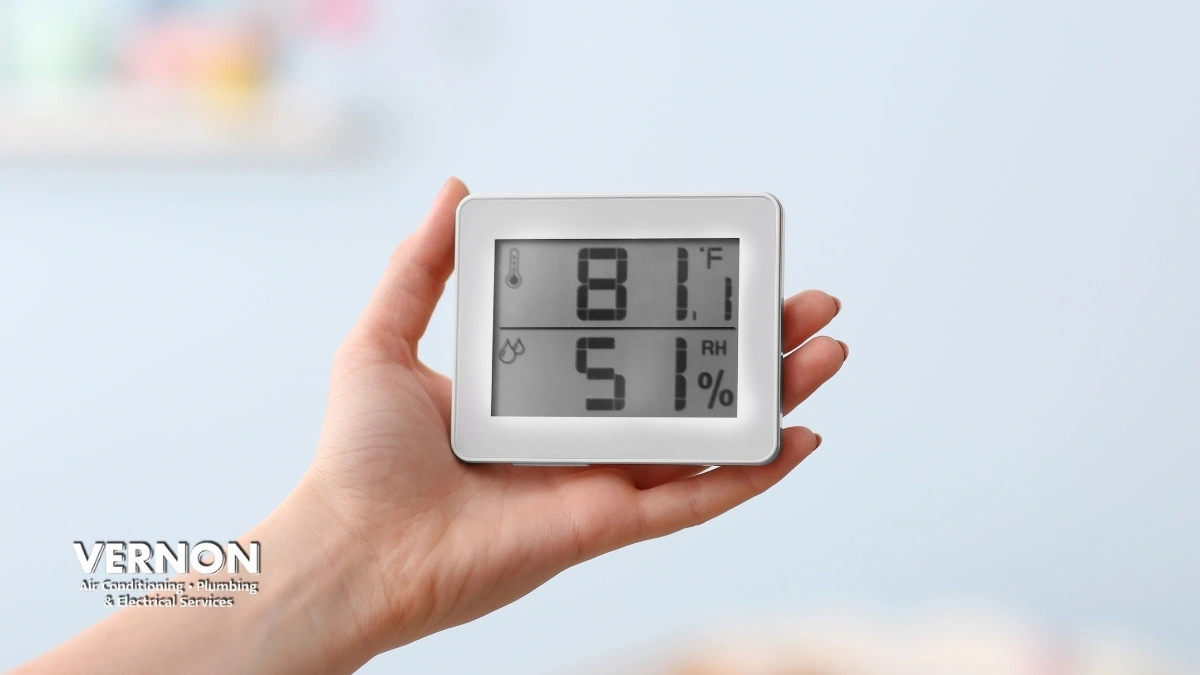
Smart technology can determine the humidity levels in your home (hygrometer) while keeping you alerted to potential issues with your HVAC equipment. Simply search online for a Smart humidity sensor, and you will find loads of options.
⭐ How Does Humidity Affect Health?
Controlling your relative humidity level can help reduce the symptoms of ailments like chest congestion, asthma, and allergies. Overly humid air can cause poor indoor air quality that can cause mold growth. Humid air can also carry airborne bacteria.
Low humidity or dry air can cause breathing difficulties and worsen seasonal allergies. The old example is to get a humidifier for your kid’s room when they have a cold causing sinus congestion.
⭐ How Does Humidity Affect Your Home?
From a health standpoint, dry air or low indoor air humidity causes dry skin, itchy eyes, and chapped lips, but for your home, that means cracks in your wood floors, plaster walls, and leather furniture.
Humidifiers add moisture to the air, so this is your path forward if you’re noticing the above issues.
High humidity or humid air, on the other hand, leads to mold growth, stains on the walls, and a stuffy feeling for the whole family.
These issues can lead to severe health issues, so a dehumidifier should be added to remove excess moisture and improve indoor air quality.
⭐ How Does Weather Affect Indoor Humidity?
The air is generally more humid in the summer, causing you to feel sweaty and sticky inside your home.
Whereas winter is better known for cold, dry air, bloody noses, dry skin, and chapped lips.
On top of the seasonal dryness, heating systems inherently dry out the air more.
The high humidity in summer is also known for increasing pest issues like termites, dust mites, and carpenter ants.
Using the rainforest as an example, the high levels of moisture in the air in summer can be good for potted plants but as we all know, low relative humidity in the winter means you need to water your plants more often.
⭐ When to Choose a Humidifier
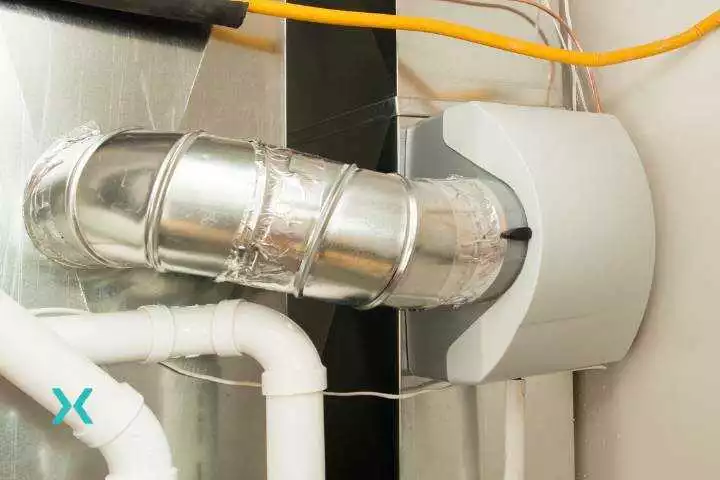
There are multiple reasons to want to choose a humidifier for your home.
The first is to help a person living there with compromised immunity, and the second is to help combat dryness by increasing indoor air humidity levels.
This will help fight low humidity and combat infections like bronchitis, influenza, sore throat, sinus infections, and nose bleeds.
If you choose to add a portable unit to your home, you should place them in the main rooms of your home.
With that being said, they are limited by the square footage that they can handle, so you will need multiple units to actually make difference.
The better option is a central or whole-home humidifier.
They are installed on your forced air HVAC system, and similar to portable humidifiers, they need to be sized to the square footage of your home.
Once installed, the humidistat (like a thermostat but used to set the humidity level) should be set to a minimum of 30% in the winter.
⭐ Types of Humidifiers and How They Work
The two main types to consider are cool-mist humidifiers and warm-mist humidifiers.
Cool-mist humidifiers emit cool water droplets into the air and include evaporative, ultrasonic, and impeller styles.
If you forget to clean them annually, it can introduce airborne bacteria into your home.
I recommend having a professional HVAC contractor clean cool-mist humidifiers during your annual or bi-annual HVAC maintenance.
Warm-mist humidifiers must be plugged into an electrical outlet to boil the incoming water.
Once boiled, the system emits steam into the air, with one of the main benefits being that boils away bacteria and pathogens before releasing the water into the air.
✔ Bypass Humidifiers
Bypass humidifiers are connected directly to the supply and return ducts of the HVAC systems.
Moist air gets added to the room by mixing warm air from the heat ducts with water running through them.
These types are inexpensive, simple to use, and work well to increase indoor humidity.
✔ Power Humidifiers
Similar to by-pass humidifiers, the only aspect making a power humidifier different is that it has a powered fan to help introduce moist air to the home even when the HVAC system isn’t running.
They are also supposed to increase the efficiency of the humidifier and, in turn, improve indoor humidity control.
✔ Steam Humidifiers
The are two main points I’d like to make about steam humidifiers; they are significantly better at controlling indoor humidity levels in larger homes, and they cost way more to purchase, install and maintain.
Steam humidifiers have high-amperage internal heating elements that generate steam.
The elements are internal to the system, replaceable “cylinders.”
These cylinders should be replaced at least every year.
✅ PRO TIP: I’ve seen these cylinders catch fire because they hadn’t been changed. It is very important to schedule preventative maintenance and cylinder replacement based on your contractor’s recommendations.
⭐ When to Choose a Dehumidifier
The primary indicator of the need for a dehumidifier is having excess moisture with a humidity level above 60%.
Too much moisture in the air is uncomfortable and makes it difficult for your body to cool itself.
This type of environment is conducive to dust mites and microbial growth.
It can also lead to wood rot, pests and termites, and damage to furniture.
Dehumidifiers are installed to prevent these issues by reducing air moisture to acceptable levels.
There are two standard options for dehumidifiers, the whole home type attached to your forced-air heating system, or the portable style that most people use for specific use cases like water leaks and floods.
⭐ Types of Dehumidifiers
If you’ve decided in the battle of humidifier versus dehumidifier for your home and the latter won, you’ll now have to decide what type of dehumidifier is best for you.
Below is a list that can help you remove excess moisture and get started toward making the right decision.
✔ Heat Pump
These systems use fans, heat exchanger coils, and heat pumps to remove excess humidity from the air.
They work just like air conditioners in that the cold coil ensures that condensation forms and runs out of the drain pan, essentially removing water vapor from the air.
✔ Dehumidifying Ventilators
This is the best system for attics, crawlspaces, and basements because it uses an exhaust fan to expel moisture-rich air outside.
✔ Chemical Absorbent or Desiccant
These systems use hydrophilic materials (silica gel) to absorb moisture.
Climates with cold temperatures but still having high humidity levels are best suited for desiccant dehumidifiers, otherwise known as chemical absorbent dehumidifiers.
⭐ Capacity Rating
A humidifier’s capacity is measured in gallons of water per day. Portable units with higher rated capacity need to be filled fewer times per day.
A dehumidifier’s capacity is measured in pints of water removed per day.
⭐ Maintenance
In my experience, people buy systems and then completely forget about the maintenance.
Without proper maintenance, both systems will be rendered useless within a year or two, and you’ll be back to having too little or too much moisture in the air.
✔ Maintaining a Humidifier
The filters need to be changed at least every year, and the internal components should be cleaned every few years.
If using chemicals to clean it, you should rinse everything thoroughly.
✔ Maintaining a Dehumidifier
Dehumidifiers should be cleaned regularly, and water should never be left in the tank for more than one day as it could lead to bacteria and mold growth.
⭐ My Final Thoughts

HVAC equipment like humidifiers and dehumidifiers can significantly improve your indoor air quality and keep your home as comfortable as possible year-round. Before making a purchase, be sure to discuss your options with a trusted and experienced HVAC contractor.
If you’re in the North Okanagan and want personalized advice or a quote, contact Vernon Air Conditioning, Plumbing & Electrical Services—we’re here to help you breathe easier and live more comfortably.