
Table of Contents
The refrigerant (sometimes called freon) is the lifeblood of your air conditioning system. Your air conditioning unit won’t cool your home or business correctly without the right amount.
Knowing whether or not your central air conditioner unit is low on refrigerant can be challenging because symptoms of low refrigerant can also be symptoms of other air conditioning problems.
If, however, you think your AC has refrigerant leaks, look for these 5 common signs:
- A higher than normal energy bill
- Air vents are not blowing cold air
- Frost or ice accumulating on your AC
- A hissing or bubbling noise is coming from your AC
- Water leaking around the AC
👎 Bad Sign #1: High Energy Bills

If you suddenly notice an uptick in your energy bill (called a hydro bill for our friends in BC) and you haven’t made any significant changes to how you manage your home’s climate, your AC may have a refrigerant leak.
The refrigerant works by absorbing heat from the indoor air in your home via the evaporator coil. The refrigerant then transfers that heat via a compressor to the outdoor condenser coil, dumping it into the outside air.
If there isn’t enough refrigerant in the system, your air conditioner cannot remove enough heat to cool your home during each cooling cycle. This means your AC needs to run longer and work harder to cool your home. Of course, longer run times equal higher energy bills.
Other factors that can contribute to higher energy bills:
❌ Aging AC System
If your AC unit is more than 10 – 15 years old, your high bills could be caused by an old system. Over time, your HVAC system will become less efficient and will have to run longer.
❌ An Oversized or Undersized System
If the heat load calculations were not performed correctly when you initially installed your AC system, your unit might be too big or too small for your home.
The HVAC technicians who installed it should have conducted a Manual J calculation to determine the AC’s size based on your home’s requirements. These scenarios will cause your AC to use more energy to meet your temperature demands.
❌ The Ole’ Dirty Air Filters!
If the above 2 problems don’t exist, it could be due to a dirty air filter. Dirty or clogged air filters will restrict the airflow within your HVAC system, causing your AC unit to run longer. If your air filter is clean and your HVAC system is properly sized and not too old, you probably have a refrigerant leak.
👎 Bad Sign #2: Supply Vents are Not Blowing Cool Air.
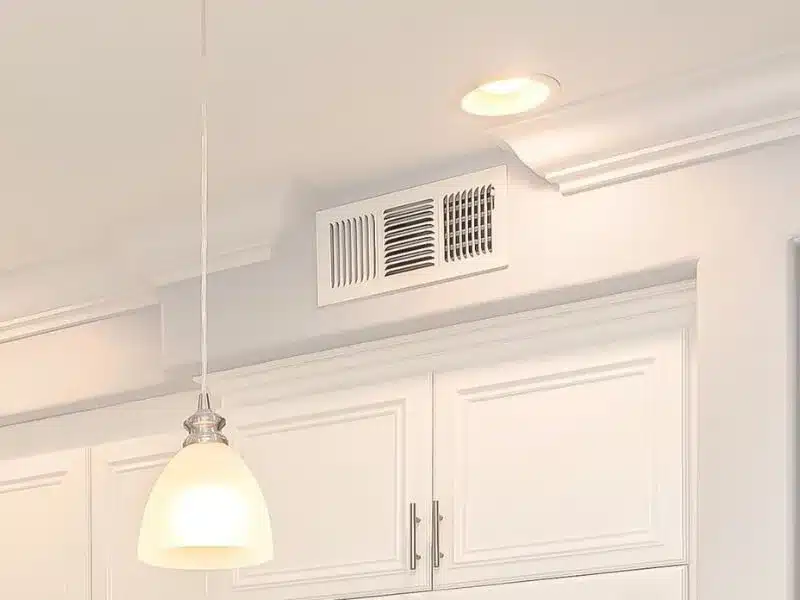
Your refrigerant absorbs heat from your home and then dumps it outside. If you don’t have enough refrigerant in your AC, your air conditioner cannot absorb enough heat every cooling cycle. This means that warm air will blow out your supply vents.
Other Issues:
Before calling an HVAC professional to come and check out your system, swap out that air filter. If your filter is clogged, it will prevent your AC from moving enough air through your system. If you have already replaced the air filter as per the last step, you probably have low refrigerant, and it’s time to call an HVAC technician.
👎 Bad Sign #3: Frost or Ice Accumulating on your AC
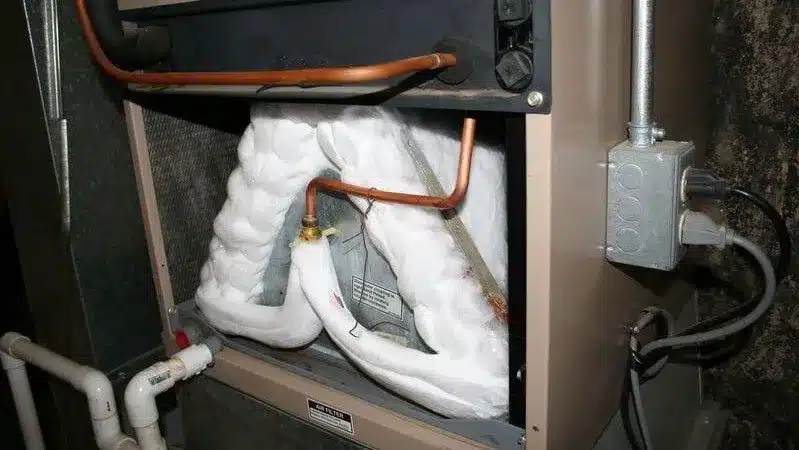
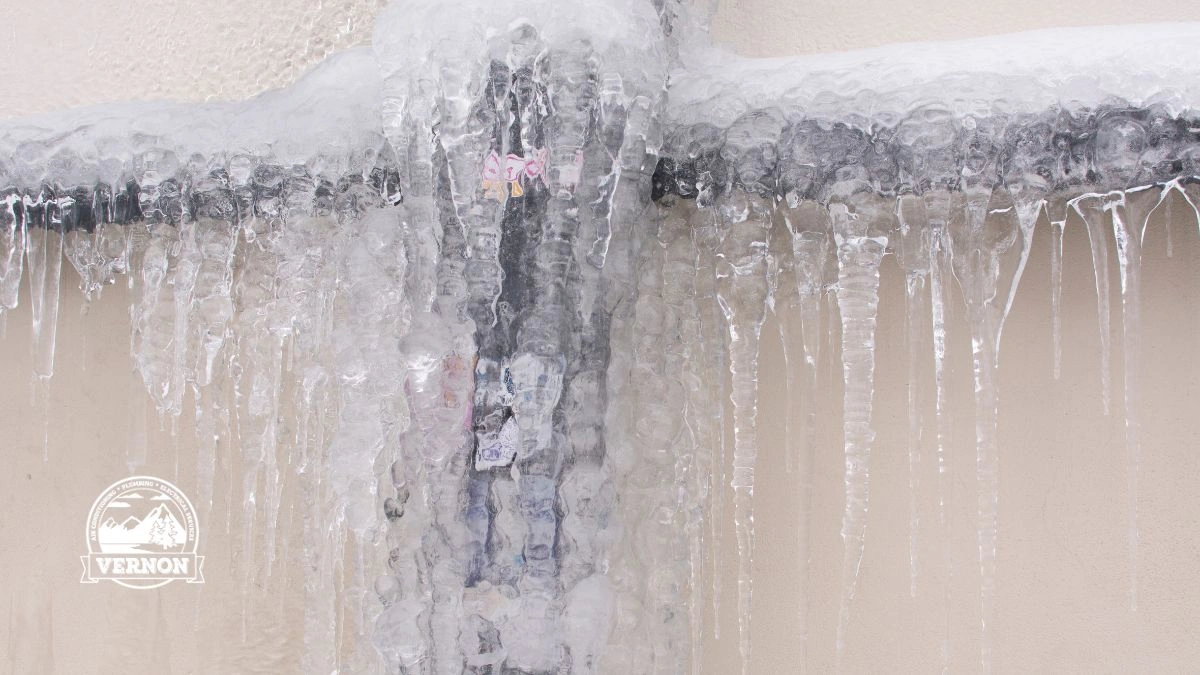
If you find frost or ice accumulating anywhere on or around your AC, you have a problem. When refrigerant levels are low, the temperature of the refrigerant drops further than the AC was designed for. As a result, the remaining refrigerant has to work harder. Coupled with low airflow, ice buildup will occur, especially on the evaporator.
Other Issues:
❌ The Air Filter Again…
Low airflow caused by a dirty air filter will cause your evaporator coil not to pick up enough heat, and freeze. If this happens, you will need to thaw out your AC and get it checked.
❌ Closed Supply or Return Vents
As per the above problem, low airflow will contribute to the freezing of your evaporator coil. So, ensure all vents are open and unobstructed. If you have checked the above and still have a problem, it’s low refrigerant—time to call the experts.
👎 Bad Sign #4. A Hissing or Bubbling Noise is coming from your AC.
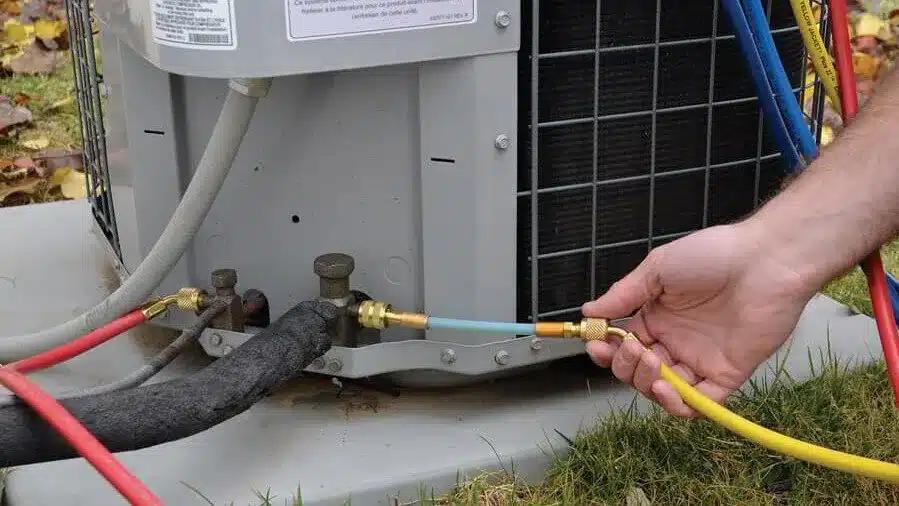
If you hear any air conditioner noise that doesn’t sound right, especially a hissing or bubbling sound, you are likely experiencing a refrigerant leak. If it makes a hissing sound, the refrigerant is escaping your system in gas form. If it bubbles, it’s leaking as liquid refrigerant.
Other Related Issues:
Any other issue will rarely cause this, so if you hear these sounds, you definitely have a refrigerant leak. You will want to have a professional come and check it out.
Refrigerant is toxic, so it’s not something an amateur DIY homeowner wants to mess with. Handling refrigerants without a license is illegal in most US states and Canadian provinces.
👎 Bad Sign #5: Water Leaking Around the AC

As per some of the other problems, when ice accumulates during summer, it will inevitably melt, creating a puddle near your AC unit. Typically you will have a certain amount of water pulled from the air depending on the humidity levels in your home.
Your condensate drain line should take care of that. If you see a buildup of water, check that it is clear and water can flow through it. If you have checked all of the above and still have problems, you have a refrigerant leak.
Refrigerant operates in a closed-loop system. It doesn’t get used up during operation. You will suffer from one of the above scenarios if there’s a leak. If you call a local professional and all they do is top it off without fixing the leak, you will eventually continue to have the same problems.
Not all air conditioner technicians are equal, so make sure they properly find and repair the leak. They should evacuate the remaining refrigerant out of your system, find and fix the leak, and add the right amount of refrigerant back into your system to ensure it operates correctly.
👍 Conclusion
Don’t let low air conditioner refrigerants ruin your summer with high home temperatures and high energy costs. Check out our five low refrigerant signs when considering whether your AC is working correctly.
We are around AC units all day long, so we are pretty experienced in AC Repair and know what to look for. If you prefer to leave it to the professionals, Vernon Air Conditioning, Plumbing, and Electrical Services are only a phone call away.