
Table of Contents
Your sump pump is your basement’s first line of defense against flooding. When spring snowmelt rushes down from the mountains or a heavy atmospheric river dumps rain on the Interior, this hardworking device quietly protects your home from thousands of dollars in water damage. But what happens when your sump pump stops working?
Most BC homeowners will face sump pump problems at some point. The good news? Many issues have straightforward fixes you can handle yourself, but knowing when to call a professional can save you from a flooded basement.
Understanding How Your Sump Pump Works
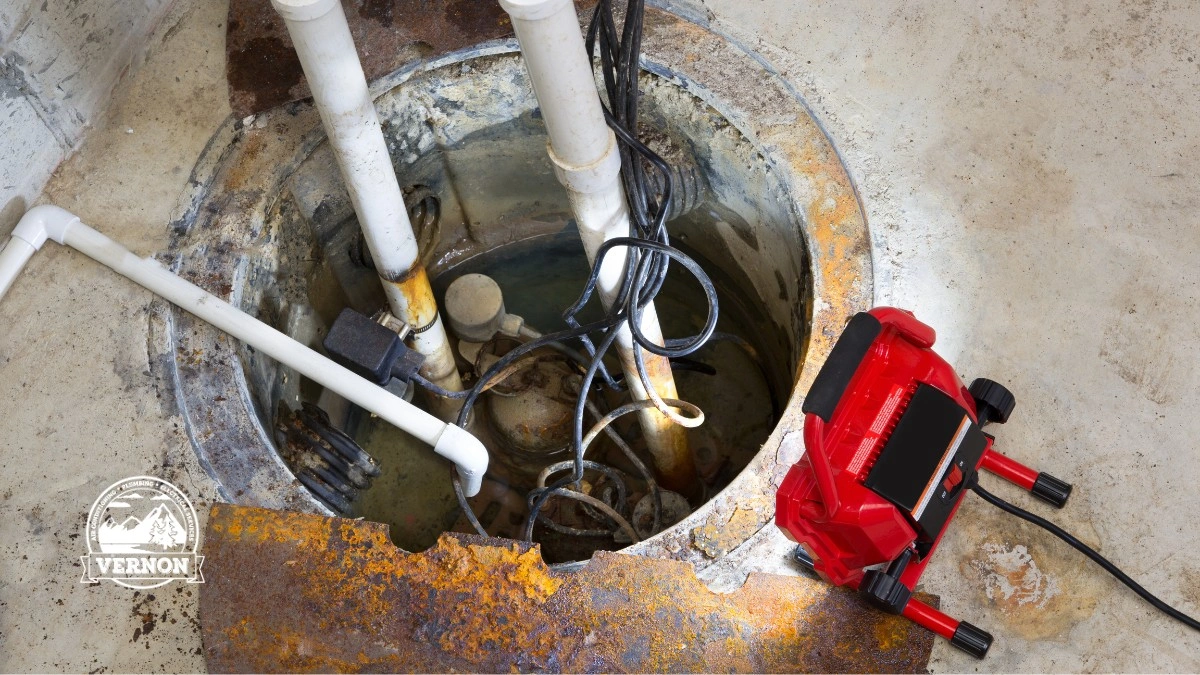
Before troubleshooting, it helps to know the basics. Your sump pump sits in a basin (the sump pit) in your basement floor. As groundwater accumulates, a float switch activates the pump motor. The impeller then pushes water through the discharge line and away from your foundation.
Key components include the float switch, check valve, impeller, intake screen, and discharge pipe. When any of these parts fail or become clogged, problems begin.
Problem #1: Your Sump Pump Won’t Turn On
Nothing’s more alarming than discovering your pump won’t start as water rises in the basin.
👀 Check these culprits first:
🛠️ Tripped circuit breaker or blown fuse. Sump pumps need a dedicated 15-amp circuit. Head to your electrical panel and reset any tripped breakers. If the fuse is blown, replace it and test the pump again.
🛠️ Faulty or stuck float switch. This is the most common issue in the Okanagan Valley. Sediment from clay-rich soil or debris from renovations can jam the float mechanism, preventing it from triggering the pump. Clear any obstructions around the float and make sure it moves freely. If it’s damaged or defective, you’ll need a replacement part.
🛠️ Unplugged pump. It sounds obvious, but check that your pump is actually plugged into a GFCI outlet. Make sure the outlet isn’t controlled by a wall switch that someone accidentally turned off.
🛠️ Water level too low. Your pump only activates when water reaches the trigger level. A small amount of water sitting in the basin is normal and doesn’t mean the pump should be running.
Problem #2: Pump Runs But Doesn’t Discharge Water
You hear the motor humming, but water isn’t going anywhere. This frustrating situation usually indicates a blockage or an installation error.
🛠️ Incorrectly installed check valve. The check valve prevents water from flowing back into the basin after the pump shuts off. If it’s installed backward, water can’t exit properly. Look for the directional arrow on the valve and make sure it points away from the pump toward the discharge line.
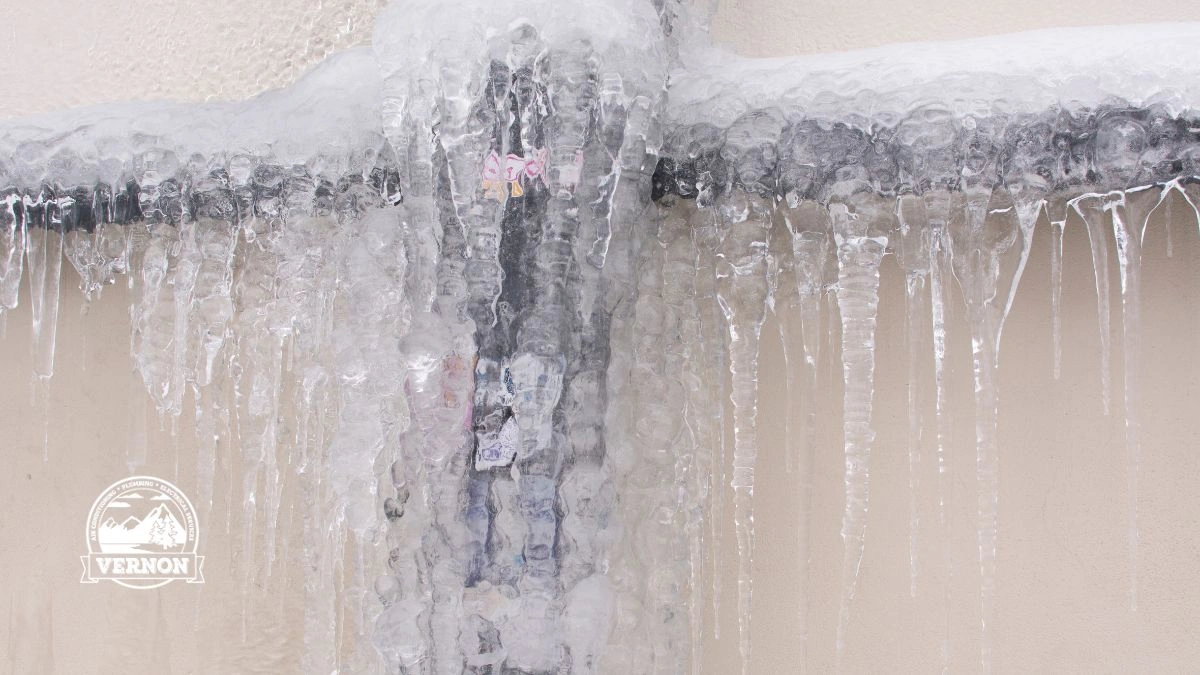
🛠️ Frozen or clogged discharge line. BC Interior winters can be harsh on discharge pipes. When temperatures drop below -20°C in the North Okanagan or during cold snaps in the Kootenays, water remaining in the line can freeze solid. For winter protection, install an IceGuard fitting that allows water to escape if the discharge line freezes. Also check for sediment, roots from nearby trees, or debris blocking the pipe.
🛠️ Damaged or clogged impeller. The impeller is the rotating component that discharges water. In areas with heavy clay soil, such as the Okanagan Valley bottoms, sediment buildup can clog the impeller blades, preventing water from flowing even when the motor is running. Remove the pump from the basin, inspect the impeller, and clean away any buildup or debris.
Problem #3: Pump Runs Continuously
A sump pump that never shuts off will burn out quickly, reducing its lifespan from 7-10 years to 2-3 years. It also wastes electricity and signals a problem that needs immediate attention.
🛠️ Stuck float switch. If the float gets wedged against the basin wall or caught on the discharge pipe, it stays in the “on” position. Reposition the float to allow it to move freely up and down as water levels change.
🛠️ Undersized pump for your needs. Homes built near Okanagan Lake, Kalamalka Lake, or other areas with high water tables may need more pumping capacity than a standard 1/3 HP pump provides. Properties in Vernon’s lower bench areas or near creeks experience constant groundwater seepage that overwhelms an undersized pump. Consider upgrading to a 1/2 HP cast-iron pump or installing a dual-pump system, such as the TripleSafe.
🛠️ Check valve failure, allowing backflow. If your check valve is broken or defective, water flows back into the basin immediately after pumping out, triggering another cycle. Replace the faulty check valve to solve this issue.
Problem #4: Loud Grinding or Rattling Noises
Sump pumps should hum quietly during operation. Unusual sounds indicate a mechanical issue.
🛠️ Grinding noise typically indicates a damaged impeller or worn motor bearings. Inspect the impeller for cracks or bent blades. If the bearings are failing, you’ll likely need professional pump replacement.
🛠️ Rattling or vibrating often means the pump has come loose from its mounting or debris is bouncing around in the basin. Tighten the mounting bolts and remove any rocks, gravel, or other debris from the sump pit.
🛠️ Banging sounds in the pipes suggest water hammer—a pressure surge when the pump shuts off. Installing a water hammer arrestor and securing the discharge pipe properly should eliminate the noise.
Problem #5: Power Outages Leave You Vulnerable
BC is no stranger to power outages. Winter windstorms, ice on power lines, and severe weather events knock out electricity when you need your sump pump most. In fact, approximately 40% of sump pump failures occur due to power outages—exactly when heavy rain or rapid snowmelt threatens your basement.
🛠️ Battery backup systems are essential for BC homeowners. A battery backup sump pump, such as the Zoeller Aquanot or UltraSump system, activates automatically when power fails, typically providing 8-12 hours of protection. The $600-1,200 investment prevents thousands in flood damage.
🛠️ Water-powered backup pumps operate as long as municipal water pressure is available (40+ PSI required). They don’t need batteries or electricity, making them reliable during extended outages—perfect for rural properties in the North Okanagan.
Preventing Sump Pump Problems: Simple Maintenance
You can avoid most sump pump failures with regular maintenance:
✅ Quarterly testing: Pour 5 gallons of water into the basin and watch the pump cycle on and off. Ensure the float switch moves freely and the water discharges properly.
✅ Clean the intake screen and remove debris from the basin every few months. Sediment buildup and debris accumulation reduce pumping efficiency—especially important in areas with clay-heavy soil.
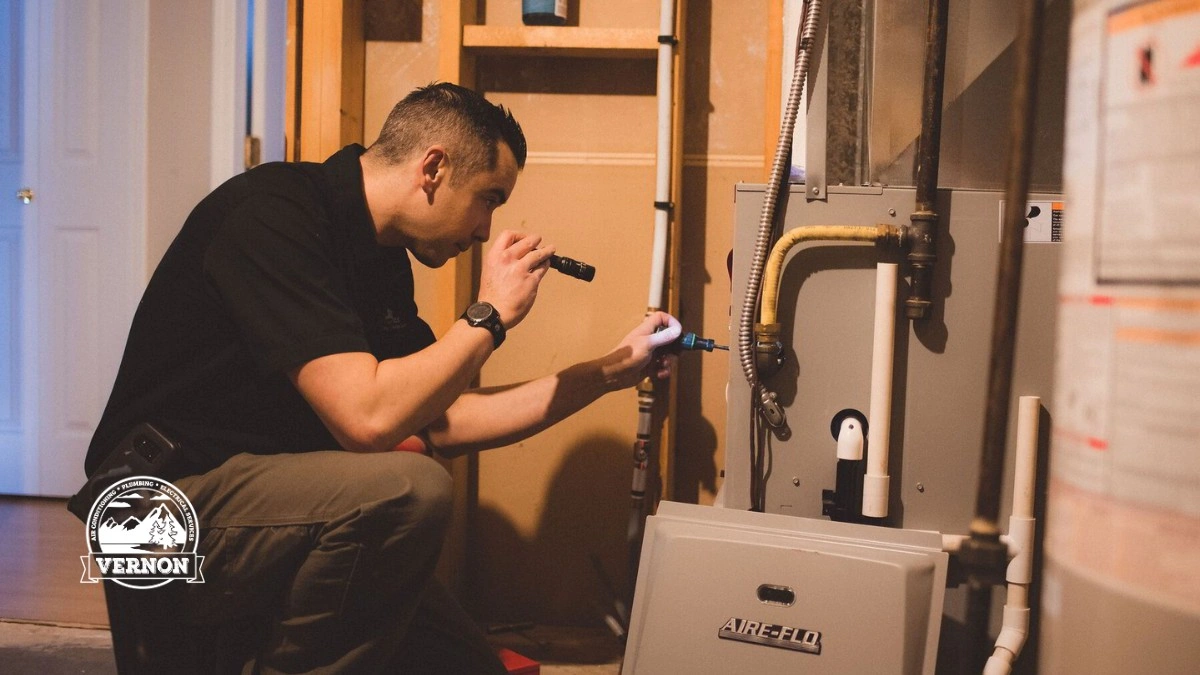
✅ Annual professional inspection catches problems early. A licensed BC plumber will test the motor’s amp draw, inspect the impeller for wear, check the discharge line pressure, and evaluate the overall system condition. This $150-250 service prevents $3,000-8,000 in emergency repairs.
✅ Seasonal preparation matters. Before winter, test your pump and insulate exposed discharge lines. In spring after snowmelt season—which can be intense in the Interior—inspect everything again to ensure it’s ready for summer storms and atmospheric rivers.
When to Call a Professional
Some repairs are DIY-friendly: resetting breakers, cleaning debris from the float switch, or testing pump operation. But call a licensed plumber for electrical circuit work, check valve replacement, motor failures, or complete system installations.
The wrong approach to pump repairs can lead to electrical hazards, voided warranties, or a flooded basement. Professional installation ensures your system meets BC Building Code requirements and operates reliably when you need it most.
Choosing the Right Pump for Your BC Home
If you’re replacing an old pump or installing a new system, consider these factors specific to BC conditions:
✅ Capacity: A 1/3 HP pump (35 GPM) handles most standard homes with moderate water tables. Properties near lakes, in valley bottoms, or with high water tables need 1/2 HP pumps (60 GPM) that move more water faster.
✅ Construction: Cast-iron pumps, such as the Zoeller M53 and M98, outlast plastic models and handle the demanding conditions BC properties face—from clay soil sediment to temperature extremes.
✅ Backup protection: Don’t skip the battery backup system. It’s insurance against your most vulnerable time—when the power’s out during a windstorm or ice storm.
✅ Cold-climate features: Select pumps compatible with IceGuard discharge protection to prevent freeze-ups during Interior BC winters, when temperatures can plummet.
Protect Your Biggest Investment
Your home is likely your largest financial investment, and your basement is vulnerable to water damage. The average cost of repairing a flooded basement in Canada is over $40,000, according to the Government of Canada. Recent data from Allstate Insurance reveals that water damage repair costs rose nearly 20% between 2019 and 2024.
A functioning sump pump is essential protection, but only if it’s properly maintained and sized for BC’s unique climate challenges. With proper maintenance, a sump pump typically lasts 7-10 years, but regular care can extend that lifespan and ensure reliable operation when you need it most.
Don’t wait until you’re standing in ankle-deep water to think about your sump pump. Test it quarterly, keep it clean, and address problems immediately. The few minutes you invest in maintenance can save you thousands in repairs and give you peace of mind during every atmospheric river and spring melt.
Ready to Protect Your North Okanagan Home?

If you’re in Vernon, Coldstream, Lumby, or Armstrong and need help with sump pump installation, repairs, or maintenance, Vernon Air Conditioning, Plumbing & Electrical Services has you covered. Our licensed plumbers understand the unique challenges North Okanagan homeowners face—from high water tables near Okanagan Lake to the clay soil conditions in valley properties.
From emergency repairs to complete system installations and battery backup solutions, we’ll keep your basement dry and your home protected year-round. Don’t risk a flooded basement—call us today for expert plumbing services throughout the North Okanagan region.
📖 Read More: Common Plumbing Problems: A Complete Guide for Canadian Homeowners
Vernon Air Conditioning, Plumbing & Electrical Services
909 Kalamalka Lake Rd, Vernon, BC V1T 6V4
Phone: 778-403-7886
Need help with sump pump problems? Book online or call today for fast services across the North Okanagan.